
Disability Benefits
How to Apply for Disability Benefits in 2026: Step-by-Step Guide
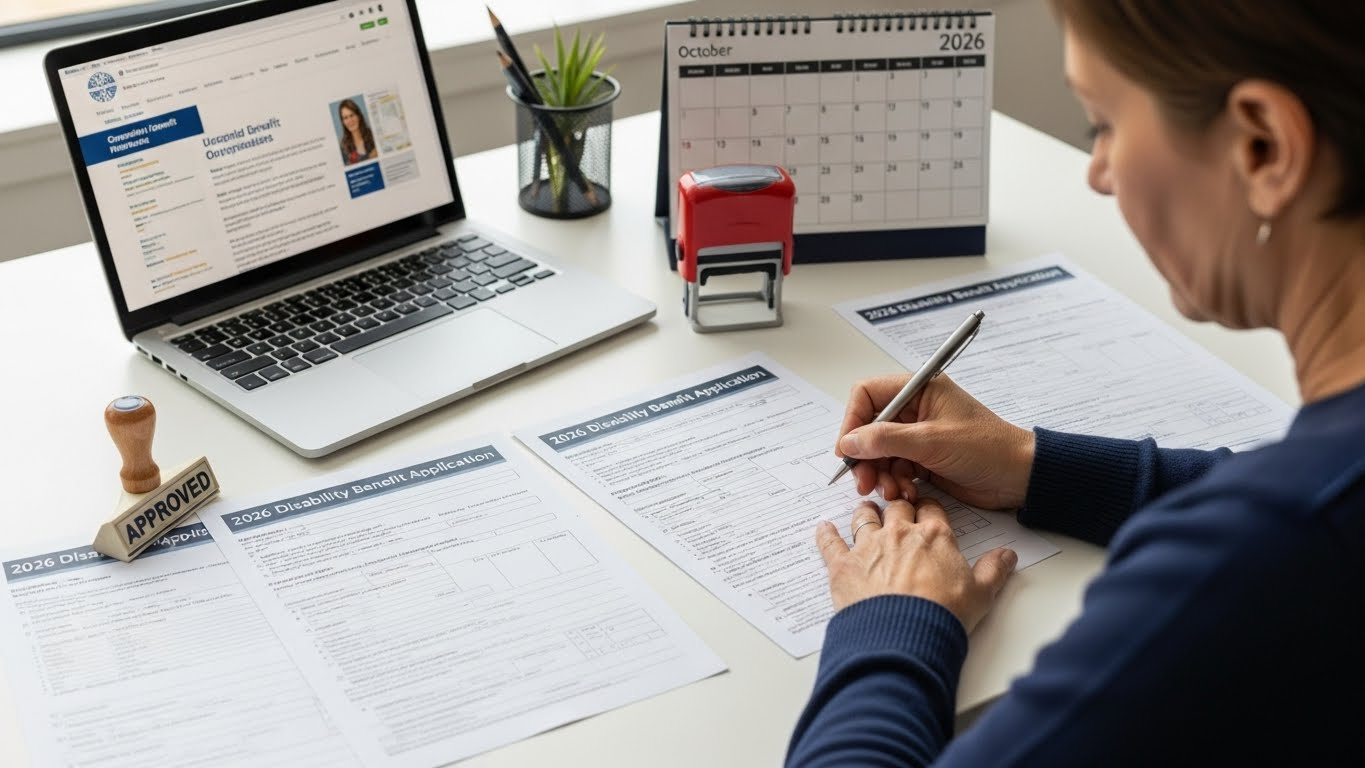
Applying for disability benefits can be complex, given the variety of federal, state, and local programs available. In 2026, applicants must navigate updated regulations, documentation requirements, and eligibility criteria to secure financial support or healthcare assistance. This guide provides a step-by-step approach for individuals, NGOs, and small organizations seeking to understand and apply for disability benefits, ensuring clarity, compliance, and timely submissions.
Disability Benefits 2026: Policy Insights and Program Overview
Disability benefits in the United States are primarily governed by the Social Security Administration (SSA), alongside supplemental state and local programs. These programs exist to provide:
- Income support for individuals unable to work due to disability
- Healthcare access, including Medicare or Medicaid eligibility
- Vocational rehabilitation and community support
The Social Security Act, amended periodically, sets the federal framework for eligibility, while states may provide additional benefits such as transportation, housing, or job-training support.
Who Can Benefit
Eligibility depends on several factors, including age, work history, and medical condition. Benefits are intended for:
- Individuals with physical or mental impairments that significantly limit work capacity
- Students with documented disabilities affecting education
- Families caring for individuals with long-term disabilities
- Local organizations assisting eligible populations
Programs aim to reduce financial hardship, improve quality of life, and ensure equitable access to government support.
Step-by-Step Application Process
Step 1: Determine Your Eligibility
Eligibility is determined by medical, financial, and work-related criteria. Key requirements for federal disability benefits include:
| Criteria | Requirement |
| Medical Condition | Must have a documented disability expected to last ≥ 12 months or result in death |
| Work History | For Social Security Disability Insurance (SSDI): sufficient work credits earned through payroll taxes |
| Financial Limits | For Supplemental Security Income (SSI): income and asset thresholds apply |
State-specific programs may have additional criteria, such as residency or age limits.
Step 2: Collect Required Documentation
Accurate documentation is critical. Commonly required items include:
- Medical records: Diagnosis, treatment history, specialist reports
- Work history: Employment verification, pay stubs, tax forms
- Personal identification: Social Security card, birth certificate, government-issued ID
- Financial information: Bank statements, income, and asset records
Tip: Keep copies of every document and ensure they are legible and current.
Step 3: Complete the Application
Applications can be submitted:
- Online through the SSA website (for SSDI and SSI)
- In person at local SSA offices
- By phone (scheduled appointment required)
When filling out the application, provide clear, factual answers. Avoid assumptions or estimations about medical prognosis or work capacity.
Step 4: Submit and Track Your Application
After submission:
- You will receive a confirmation number (online/phone) or receipt slip (in-person)
- SSA and state offices may request additional information or medical evaluations
- Typical processing time: 3–6 months, depending on program and case complexity
Step 5: Respond to Requests and Appeals
Common reasons for denial include:
- Incomplete medical records
- Discrepancies in employment or income history
- Failure to meet program-specific deadlines
Applicants may appeal within 60 days of denial. Appeals can involve:
- Reconsideration (review by a new case examiner)
- Hearing before an administrative law judge
- Review by Appeals Council or federal court (last resort)
Key Tips for a Successful Application
- Ensure all medical documentation is up-to-date
- Maintain a detailed timeline of treatments and employment history
- Check state-specific requirements for supplemental programs
- Submit forms before deadlines to avoid delays
Frequently Asked Questions
Who is eligible for disability benefits?
Individuals with long-term physical or mental impairments that prevent substantial gainful activity, meeting SSA or state criteria.
How much funding or support is available?
Depends on program type, work history, and income levels. SSDI is based on prior earnings; SSI has fixed federal limits, with additional state supplements in some regions.
Can I apply for multiple programs?
Yes, federal SSDI or SSI can be combined with state-level assistance programs if eligibility criteria are met.
What are common reasons for rejection?
Incomplete medical evidence, missed deadlines, or insufficient work credits.
Sources:
Federal Programs:
- Social Security Disability Insurance (SSDI) – Provides income for individuals with work history who are disabled.
- Supplemental Security Income (SSI) – Provides financial support to disabled individuals with limited income and resources.
State and Local Assistance Programs:
- State Disability Benefits Offices – Directory of state-specific disability programs and contact information.
- Vocational Rehabilitation Services – Programs supporting employment and training for people with disabilities.
- Medicaid Waiver Programs for Individuals with Disabilities – State-managed programs providing healthcare and long-term support services.

Top States Providing Financial Relief and Emergency Cash Assistance in 2026

Section 811 Housing Assistance 2026: What Disabled Adults Need to Know

Top U.S. Government AI Grants You Should Watch in 2026

VA Closing Cost Assistance for Veterans in 2026: What’s Really Changed This Year?

Fast Food Places That Accept EBT Cards (Full List)

25 Small Business Grants You Can Apply for in 2026

Affordable Housing and Rental Assistance Programs for Texas Single Moms

Most Commonly Approved Government Grant Applications
-
 Food & EBT / SNAP Benefits6 months ago
Fast Food Places That Accept EBT Cards (Full List)
-
 Small Business Grants6 months ago
25 Small Business Grants You Can Apply for in 2026
-
 Single Mothers Benefits4 months ago
Affordable Housing and Rental Assistance Programs for Texas Single Moms
-
 Government Grants6 months ago
Most Commonly Approved Government Grant Applications
-

 Veterans Assistance4 months ago
Top Veterans Financial Assistance Programs 2026
-

 Single Mothers Benefits5 months ago
Trump Tax Plan Stay-at-Home Mom Tax Credit Explained: What the Law Actually Says (2026)
-

 Utility & Bills Help6 months ago
LIHEAP 2026 Application Guide for Energy Assistance
-

 Utility & Bills Help5 months ago
How to Get Free Help Paying Your Electric Bill
-

 Food & EBT / SNAP Benefits5 months ago
5 Key SNAP Policy Changes Coming in 2026 You Should Know
-

 Government Grants6 months ago
How to Apply for Government Grants Online