
Housing Assistance
Free Home Repair & Improvement Grants for Homeowners
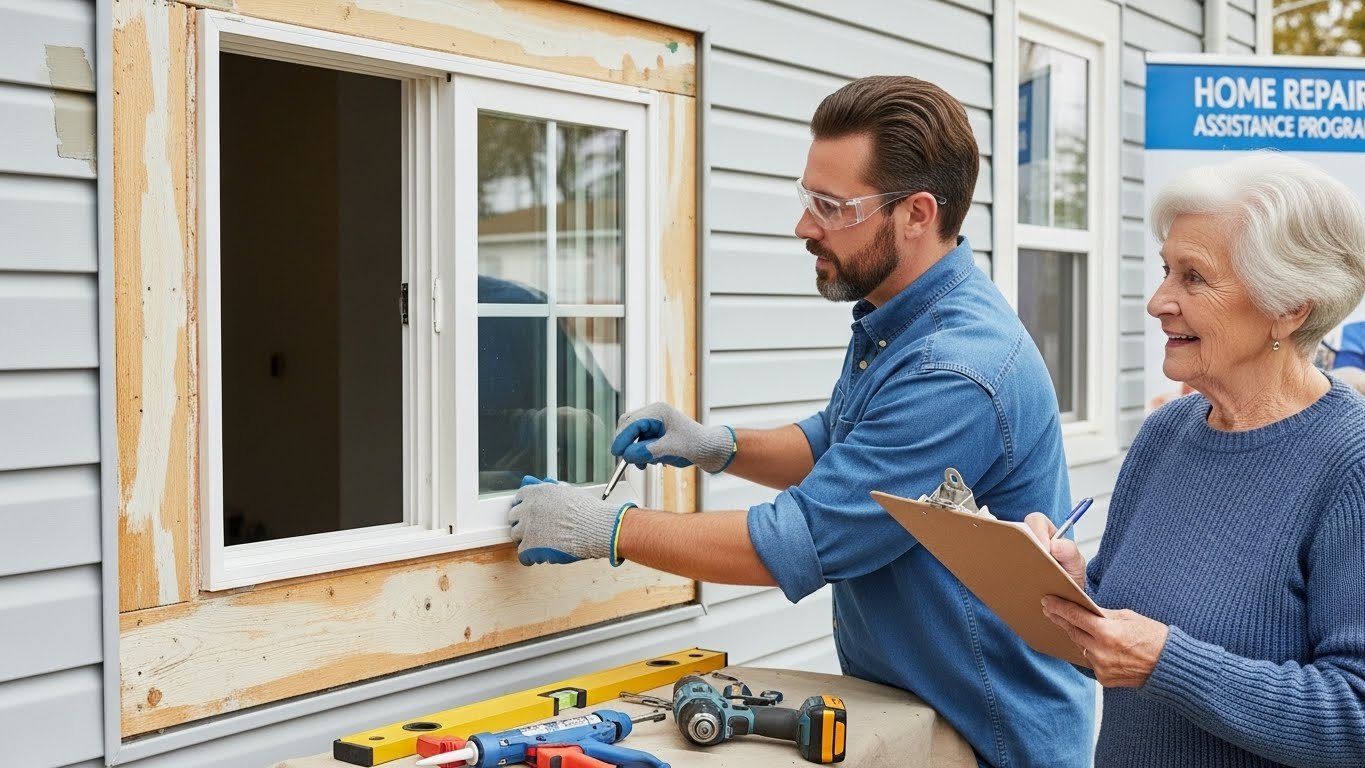
More homeowners across the United States may qualify in 2026 for assistance to repair or improve their homes, often at low cost or even for free. Several federal programs remain open, providing loans or grants to low-income, rural, elderly, or disaster-affected homeowners. If you qualify, you could get help for essential repairs, safety hazards, weatherization, and more.
This post outlines valid, active government home repair and improvement programs as of 2026. It explains what each program offers, who is eligible, and how you can apply, ensuring you avoid scams and wasted time.
What Programs Are Active and How They Help
USDA Rural Development – Section 504 Home Repair Program
- This remains one of the most important federal assistance routes for low-income, rural homeowners. (Rural Development)
- Eligible homeowners can receive loans to repair, improve or modernize their homes. (Rural Development)
- For very-low-income seniors (62+), grants are available to remove health or safety hazards, improve accessibility, or make other critical repairs.(Rural Development)
- Grants are modest, typically up to about $7,500. (USDA)
- In some cases, applicants may receive a combination of a loan + grant, up to a certain maximum. (USDA Climate Hubs)
- To qualify: you must be the homeowner, occupy the home, have very-low income as per county limits, and in case of grants, be at least 62 years old. (Rural Development)
This program helps those who otherwise cannot obtain affordable credit to keep their homes safe and livable. (Rural Development)
U.S. Department of Energy (DOE) – Weatherization Assistance Program (WAP)
- The DOE’s Weatherization Assistance Program remains active for 2026, managed through state and local agencies. (The Department of Energy’s Energy.gov)
- WAP provides energy-saving home improvements and safety updates, including insulation, air sealing, heating system maintenance or replacement, ventilation, and more. (The Department of Energy’s Energy.gov)
- Many low-income households qualify, often those at or below 200% of the federal poverty level, or other low-income guidelines set by state agencies.(Grants for Seniors)
- Both homeowners and renters can apply. (The Department of Energy’s Energy.gov)
WAP helps reduce energy costs and improve home safety and efficiency, which is especially helpful for households struggling with high utility bills or inadequate insulation.(The Department of Energy’s Energy.gov)
USDA Rural Development Single Family Housing Program – Rural Disaster Home Repair Grants
- For homeowners in eligible rural areas whose homes were damaged by a Presidentially Declared Disaster (after July 18, 2022), this grant provides up to $44,000 to repair disaster-related damage. (Rural Development)
- You must occupy the home, meet very-low or low income thresholds, and live in a designated rural and eligible area. (Rural Development)
- Grants can cover structural repairs, site preparation, and in some cases even moving a manufactured home. (Rural Development)
- Application is technically open year-round (so long as funds remain available) and processed on first-come, first-served basis. (Rural Development)
This program offers meaningful relief for homeowners hit by natural disasters, giving them a chance to rebuild or restore safety without financial burden.
What These Programs Are Not and Why That Matters
- According to official guidance from USA.gov, the federal government does not offer “free money” for home repairs to everyone. Programs are targeted, have eligibility requirements, and often offer loans rather than grants. (USAGov)
- Many schemes advertised online as “free home repair grants” are scams. Homeowners should always verify via official government websites, not through unsolicited offers or third-party solicitations. (National Relief Program)
- For homeowners in urban or non-rural areas (or outside the U.S.), many of these federal programs, especially those by USDA, may not apply.
This context is critical to avoid false hopes and wasted time on fraudulent schemes.
Who Benefits Most and Why You Should Check Eligibility

- Elderly homeowners (62+) with limited income, especially those in rural areas, often qualify for grants under Section 504.
- Low-income households struggling with high utility bills: WAP might provide insulation, energy-saving upgrades, and safety improvements, reducing long-term costs.
- Families or individuals affected by recent natural disasters in designated rural disaster zones could benefit from the Disaster Home Repair Grants of up to $44,000.
- Homeowners without access to affordable credit, for whom conventional bank loans are not viable.
If you fit any of these descriptions or know someone who does, it is worth exploring these programs.
How to Apply: Practical Steps
- Visit the official website of the relevant agency (USDA Rural Development or DOE) to confirm eligibility based on your address, income, age, and home status.
- For Section 504 or Rural Disaster programs, contact your local USDA Rural Development office and ask for the application forms, such as loan or grant application forms. (Rural Development)
- For WAP, find your state’s Weatherization Administrator (link provided on DOE’s site) and apply through your state or local agency. (The Department of Energy’s Energy.gov)
- Be prepared to provide proof of income, homeownership, occupancy, and home condition / disaster damage (if applicable).
- Do not pay any “processing fee” or share sensitive information with unsolicited contacts, as those are often scams.
Why This Matters Now for Many Families
With rising costs of living, inflation, and energy bills, maintaining a home can become a heavy burden, especially for seniors, rural dwellers, or low-income families.
These assistance programs, though limited in reach, provide concrete help. They can help seniors stay in their homes, reduce energy costs, and make homes safer for families. For disaster-affected homeowners, the grants can mean the difference between rebuilding and losing a home.
For communities, supporting homeowners helps strengthen neighborhoods, preserve housing stability, and reduce long-term housing insecurity.
Sources:
- USDA Single Family Housing Repair Loans & Grants (Section 504) — official program page by the USDA Rural Development. (Rural Development)
- USDA Rural Disaster Home Repair Grants — details of disaster-related grant eligibility and application process. (Rural Development)
- DOE Weatherization Assistance Program — how to apply, income eligibility and services covered. (The Department of Energy’s Energy.gov)
- USA.gov Home Repair and Energy Efficiency Assistance guide — overview of federal home repair resources and warnings against scams. (USAGov)







Final Call for LIHEAP 2026: Many States Ending Applications This April

How Startups Can Get SBIR/STTR Funding in 2026

What Single Moms Need to Know About 2026 State Child Tax Credits

Major 2026 SNAP Changes: What CalFresh Recipients Need to Know

25 Small Business Grants You Can Apply for in 2025

Top Veterans Financial Assistance Programs 2025

How to Get Free Help Paying Your Electric Bill

LIHEAP 2025 Application Guide for Energy Assistance
-
 Small Business Grants11 months ago
25 Small Business Grants You Can Apply for in 2025
-
 Veterans Assistance11 months ago
Top Veterans Financial Assistance Programs 2025
-
 Utility & Bills Help11 months ago
How to Get Free Help Paying Your Electric Bill
-
 Utility & Bills Help11 months ago
LIHEAP 2025 Application Guide for Energy Assistance
-

 Food & EBT / SNAP Benefits11 months ago
Fast Food Places That Accept EBT Cards (Full List)
-

 Housing Assistance11 months ago
Apply for Section 8 Housing Vouchers (Updated 2025)
-

 Small Business Grants10 months ago
Women-Owned Business Grants & Funding Sources
-

 Government Grants11 months ago
How to Apply for Government Grants Online
-

 Government Grants11 months ago
25 Federal Grants That Give Free Money in 2025
-

 Disability Benefits11 months ago
How Much Disability Pay Can You Get in 2025?