Connect with us


In the finalized Fiscal Year (FY) 2026 federal budget, Congress has approved crucial funding increases for major federal energy aid programs administered by the U.S. Department...


New York’s 2026 utility oversight laws introduce stronger protections for ratepayers facing rising electricity and gas bills. Enacted by the New York State Public Service Commission...


The Commonwealth of Massachusetts has announced a sweeping winter energy affordability measure, waiving $180 million in charges to reduce residential utility bills for February and March...


Massachusetts residents are set to experience a significant reduction in electricity costs this winter, with prices expected to drop by approximately 25%. This decline comes amid...


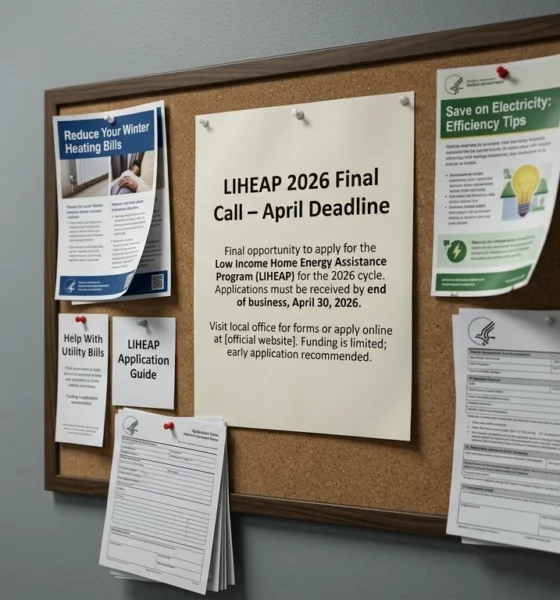
The Low Income Home Energy Assistance Program (LIHEAP) is a federally funded block grant administered by the U.S. Department of Health and Human Services (HHS) that...


Reducing household and organizational utility costs is a strategic priority for applicants, nonprofits, small businesses, and local governments in 2026. This guide provides verified, operational U.S....


Oregon energy bill grants and rebates are part of a long-standing public policy framework designed to reduce household utility burdens, improve energy efficiency, and stabilize energy...