
Utility & Bills Help
How the 2026 Massachusetts Energy Affordability Bill Could Lower Your Utility Bills
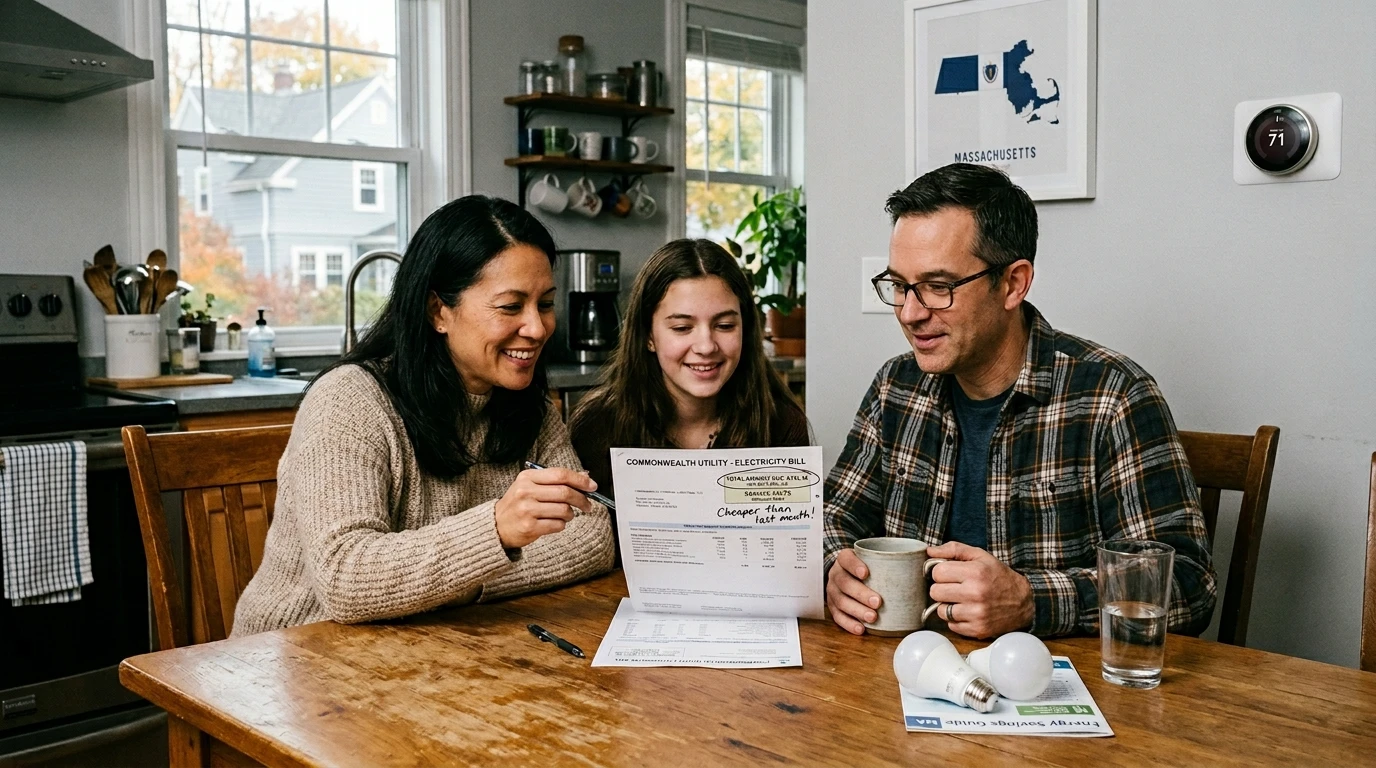
As of Fiscal Year 2026 (FY26), the 2026 Massachusetts Energy Affordability Bill introduces targeted reforms designed to stabilize rising electricity and heating costs across the Commonwealth. Backed by updated funding allocations and regulatory changes from the Massachusetts Legislature and implemented through the Massachusetts Department of Public Utilities, the law expands bill discounts, increases grant funding, and strengthens consumer protections for residents, nonprofits, startups, and small businesses.
This analysis outlines verified 2026–2026 updates, eligibility rules, funding structures, and how applicants can benefit.
Policy Background: Why the 2026 Massachusetts Energy Affordability Bill Was Introduced
Between 2023 and 2026, Massachusetts households experienced significant winter rate adjustments driven by natural gas market volatility and grid modernization costs. In response, lawmakers passed reforms in early 2026 to:
- Expand low-income utility discount programs
- Increase funding for home energy efficiency upgrades
- Cap certain cost pass-through charges
- Strengthen oversight of investor-owned utilities
- Increase transparency in rate-setting proceedings
The bill aligns with climate mandates under the state’s 2050 decarbonization roadmap while prioritizing affordability.
Key Provisions of the 2026 Massachusetts Energy Affordability Bill
1. Expanded Utility Discount Rates (Effective January 2026)
The bill increases mandatory discount percentages for income-eligible households:
| Household Type | Previous Discount | 2026 Discount |
| Electric Discount Rate | 32% | Up to 42% |
| Gas Discount Rate | 25% | Up to 35% |
| Arrearage Forgiveness | Limited | Expanded tier-based |
Utilities impacted include:
- Eversource Energy
- National Grid
- Unitil
Time-Sensitive Update (2026): Automatic enrollment is now available for households participating in SNAP, MassHealth, or SSI.
2. Increased Funding for Mass Save® Energy Efficiency Grants (FY26)
The bill authorizes additional clean energy transition funding administered through Mass Save.
FY26 Allocations (2026–2027 Cycle):
| Program Component | Funding Allocation |
| Residential Heat Pump Rebates | $450 million |
| Small Business Energy Audits | $120 million |
| Municipal Building Retrofits | $300 million |
| Workforce Training Grants | $75 million |
Eligible entities include:
- Homeowners and renters
- Small businesses and startups
- Nonprofits
- Municipal governments
- Affordable housing operators
3. Small Business Energy Relief Provisions
For the first time, the bill establishes a Small Commercial Energy Relief Credit:
- Businesses using under 1.5M kWh annually qualify
- Temporary distribution charge relief during peak winter months
- Grant-backed efficiency upgrades with 0% interest financing
Administered under oversight from the Massachusetts Executive Office of Energy and Environmental Affairs.
4. Arrearage Management & Debt Forgiveness Expansion
Expanded arrearage forgiveness applies to:
- Income-eligible households
- Residents with documented financial hardship
- Participants in state public assistance programs
Structured repayment agreements now cap monthly arrears payments at 2–4% of household income.
Who Is Eligible Under the 2026 Massachusetts Energy Affordability Bill?
Income-Based Household Eligibility
Eligible if household income is at or below 60% of State Median Income (SMI).
Automatic qualification if enrolled in:
Small Business & Nonprofit Eligibility
Must:
- Operate within Massachusetts
- Meet annual usage thresholds
- Be in good standing with the state
- Provide tax ID and utility account documentation
How Much Could You Save?
Estimated annual savings (based on DPU rate filings):
| Category | Estimated Annual Savings |
| Low-Income Electric Household | $600–$1,200 |
| Low-Income Gas Heating Household | $400–$900 |
| Small Retail Business | $2,000–$6,000 |
| Municipal Retrofit (avg.) | 15–25% annual energy reduction |
Actual savings vary by usage and rate class.
How to Apply
Step 1: Determine Eligibility
Visit your utility provider’s discount rate page or contact customer service.
Step 2: Submit Documentation
Required documents typically include:
- Proof of income (recent pay stubs or benefits letter)
- Government-issued ID
- Utility account number
- Proof of residency
Step 3: Apply Through:
- Utility website
- Local Community Action Agency
- Mass Save program portal (for efficiency rebates)
Required Documents Checklist
- Income verification
- Lease or mortgage statement
- Tax ID (business applicants)
- Recent utility bill
- Public assistance enrollment proof (if applicable)
Common Reasons for Application Rejection
- Incomplete income documentation
- Utility account not in applicant’s name
- Business exceeding usage cap
- Failure to verify Massachusetts residency
Frequently Asked Questions
Who is eligible for the 2026 Massachusetts Energy Affordability Bill?
Households earning at or below 60% of State Median Income, SNAP or MassHealth participants, qualifying small businesses, nonprofits, and municipalities operating in Massachusetts.
How much funding is available in FY26?
Over $945 million is allocated across residential rebates, municipal retrofits, and small business energy programs for the 2026–2027 funding cycle.
How do I apply?
Apply directly through your electric or gas utility provider for bill discounts. For efficiency grants, apply through Mass Save or authorized program vendors.
What documents are required?
Income verification, proof of residency, utility account information, and (for businesses) tax documentation.
Can small businesses qualify?
Yes. Businesses under 1.5M kWh annual consumption may qualify for seasonal distribution credits and energy efficiency grants.
When do benefits begin?
Approved discount rates are typically applied within 1–2 billing cycles after verification.
Sources:
- Massachusetts Department of Public Utilities – Rate Orders & Consumer Protections
- Mass Save – Rebates & Energy Audits
- Massachusetts Executive Office of Energy and Environmental Affairs – Policy Announcements
- Massachusetts Legislature – Bill Text & Fiscal Notes




Top States Providing Financial Relief and Emergency Cash Assistance in 2026

Section 811 Housing Assistance 2026: What Disabled Adults Need to Know

Top U.S. Government AI Grants You Should Watch in 2026

VA Closing Cost Assistance for Veterans in 2026: What’s Really Changed This Year?

Fast Food Places That Accept EBT Cards (Full List)

25 Small Business Grants You Can Apply for in 2026

Affordable Housing and Rental Assistance Programs for Texas Single Moms

Most Commonly Approved Government Grant Applications
-
 Food & EBT / SNAP Benefits6 months ago
Fast Food Places That Accept EBT Cards (Full List)
-
 Small Business Grants6 months ago
25 Small Business Grants You Can Apply for in 2026
-
 Single Mothers Benefits4 months ago
Affordable Housing and Rental Assistance Programs for Texas Single Moms
-
 Government Grants6 months ago
Most Commonly Approved Government Grant Applications
-

 Veterans Assistance4 months ago
Top Veterans Financial Assistance Programs 2026
-

 Single Mothers Benefits5 months ago
Trump Tax Plan Stay-at-Home Mom Tax Credit Explained: What the Law Actually Says (2026)
-

 Utility & Bills Help6 months ago
LIHEAP 2026 Application Guide for Energy Assistance
-

 Utility & Bills Help5 months ago
How to Get Free Help Paying Your Electric Bill
-

 Food & EBT / SNAP Benefits5 months ago
5 Key SNAP Policy Changes Coming in 2026 You Should Know
-

 Government Grants6 months ago
How to Apply for Government Grants Online