
Housing Assistance
How HUD’s 2026 Strategy Is Breaking Down Barriers to Affordable Housing
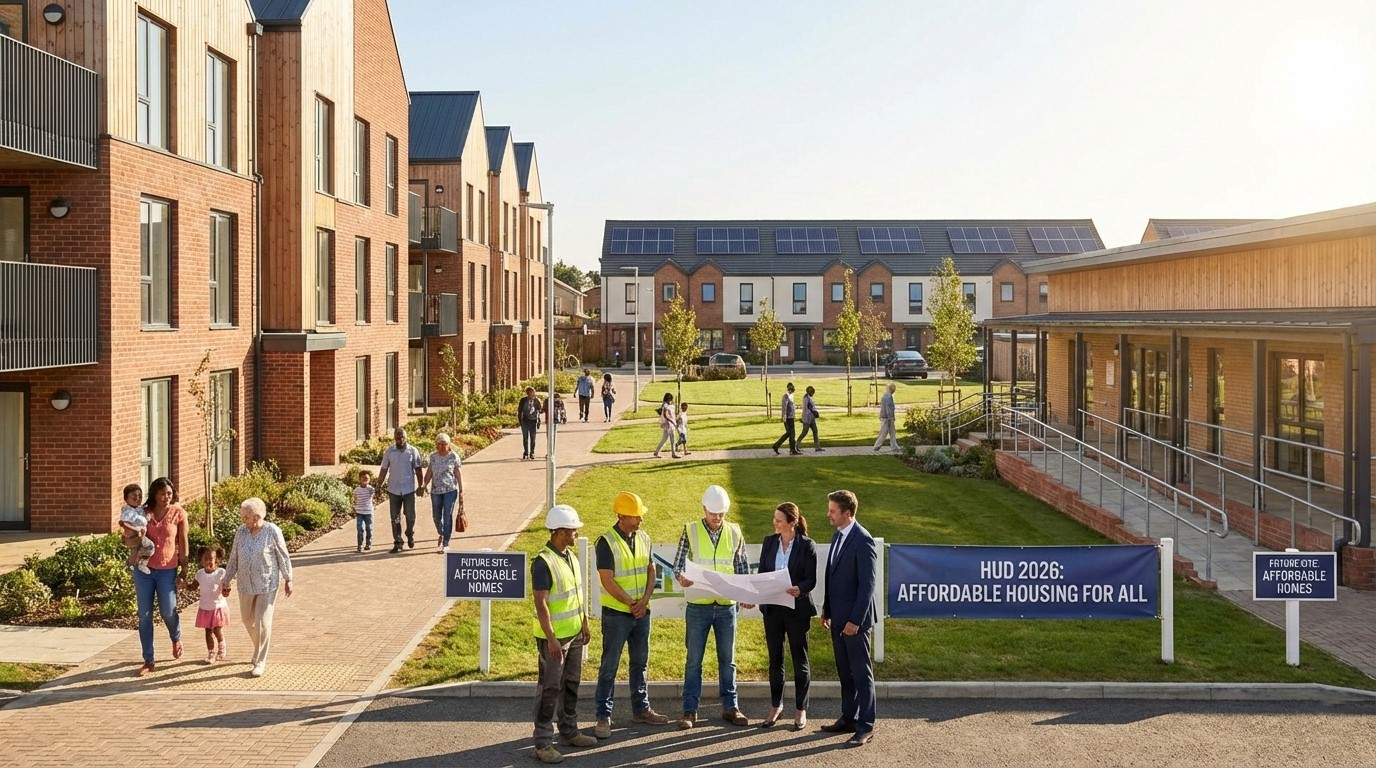
The U.S. Department of Housing and Urban Development (HUD) 2026 strategy is a comprehensive framework designed to dismantle longstanding barriers to affordable housing. Targeting systemic inequities and regional housing shortages, HUD’s updated plan emphasizes collaboration with local governments, nonprofits, and private sector partners. This initiative is particularly relevant for applicants seeking grants, NGOs, startups, small businesses, and students engaged in housing innovation.
In this article, we break down HUD’s 2026 approach, highlight available programs, define eligibility, and provide actionable guidance for applicants.
HUD 2026: Data-Driven Solutions for Affordable Housing
HUD’s 2026 strategy builds on previous federal housing policies while addressing emerging challenges such as:
- Escalating housing costs in urban and rural communities
- Persistent shortages of low-income rental units
- Regulatory and financial barriers faced by local developers
The strategy aligns with the American Housing Act of 2024 and complements other federal initiatives like the HOME Investment Partnerships Program and Community Development Block Grants (CDBG). Its focus is to enhance accessibility, equity, and sustainability in housing development.
HUD has prioritized data-driven decision-making, integrating community needs assessments, housing market analyses, and program performance metrics to ensure that funding reaches areas of greatest need.
Purpose of HUD’s 2026 Affordable Housing Grants
The grants under HUD’s 2026 strategy are designed to:
- Support the construction and rehabilitation of affordable housing units
- Reduce barriers for first-time homebuyers and low-income renters
- Empower local governments and nonprofits to implement sustainable housing solutions
- Encourage innovation in housing finance, green building, and community-led initiatives
These programs reflect HUD’s commitment to equitable housing access, focusing on populations historically underserved by the housing market.
Who Benefits and Why It Exists
Primary beneficiaries include:
| Beneficiary Group | How They Benefit | Strategic Goal |
| Local Governments | Funding for housing development projects | Increase local affordable housing stock |
| Nonprofits & NGOs | Operational grants and capacity-building support | Expand housing services to vulnerable populations |
| Startups & Small Businesses | Pilot programs for innovative housing solutions | Foster private sector participation in affordable housing |
| Students & Researchers | Internship and grant opportunities | Develop workforce and research insights in housing policy |
Why it exists: HUD’s 2026 strategy targets structural barriers, such as zoning restrictions, high construction costs, and limited financing options, to ensure fair housing opportunities nationwide.
Key HUD 2026 Affordable Housing Programs
1. HOME Investment Partnerships Program (HOME)
Purpose: Provides formula and competitive grants to state and local governments for housing construction and rehabilitation.
Eligibility: Local governments, nonprofits, and public housing authorities.
Funding: Varies by jurisdiction; 2026-2026 allocation approximates $1 billion nationally.
Application Cycle: Annual; typically opens in Spring 2026.
Required Documentation: Project proposal, budget, environmental review, and compliance plan.
2. Community Development Block Grants (CDBG)
Purpose: Support community development, including affordable housing, infrastructure, and economic development.
Eligibility: State and local governments; public entities implementing community plans.
Funding: Allocations based on population and need; $3 billion in FY 2026.
Application Cycle: Annual, with mid-year adjustments based on federal appropriations.
Required Documentation: Consolidated Plan, environmental review, and citizen participation documentation.
3. Housing Trust Fund (HTF)
Purpose: Expand affordable rental housing for extremely low-income households.
Eligibility: States allocate funds to nonprofits and local developers.
Funding: Approx. $500 million in FY 2026.
Application Cycle: State-specific; generally annual submissions.
Required Documentation: Development plan, financial statements, compliance agreements.
How to Apply and Key Steps
- Identify the appropriate HUD program based on project scope and target population.
- Review eligibility criteria: funding thresholds, geographic restrictions, and applicant type.
- Prepare documentation: proposals, budgets, environmental assessments, and compliance certifications.
- Submit through official channels: Grants.gov or state HUD offices.
- Track deadlines and updates: HUD updates allocations and timelines annually; missing deadlines can disqualify applications.
Common Reasons for Grant Rejection
- Incomplete or inaccurate documentation
- Failure to meet program-specific eligibility requirements
- Noncompliance with federal or state housing regulations
- Insufficient community impact or feasibility analysis
- Late submission or missing deadlines
HUD 2026 Strategy Updates

New Funding Priorities: Emphasis on energy-efficient and sustainable housing solutions.- Eligibility Expansion: Increased support for small businesses developing affordable housing prototypes.
- Regulatory Streamlining: Simplified reporting requirements for local governments and nonprofits.
- Data Transparency: HUD’s annual dashboard now provides granular insight into funding allocations by state and municipality.
Note: Sections on funding amounts and deadlines require annual verification as part of ongoing content maintenance.
Sources:
- HUD Official Site – Comprehensive program guides and announcements
- Grants.gov – Portal for federal grant applications
- Community Development Block Grants (CDBG) – Local allocations and eligibility criteria
- HOME Investment Partnerships Program – Funding opportunities by state
- Housing Trust Fund (HTF) – Access state-specific allocation plans







Final Call for LIHEAP 2026: Many States Ending Applications This April

How Startups Can Get SBIR/STTR Funding in 2026

What Single Moms Need to Know About 2026 State Child Tax Credits

Major 2026 SNAP Changes: What CalFresh Recipients Need to Know

25 Small Business Grants You Can Apply for in 2025

Top Veterans Financial Assistance Programs 2025

How to Get Free Help Paying Your Electric Bill

LIHEAP 2025 Application Guide for Energy Assistance
-
 Small Business Grants11 months ago
25 Small Business Grants You Can Apply for in 2025
-
 Veterans Assistance11 months ago
Top Veterans Financial Assistance Programs 2025
-
 Utility & Bills Help11 months ago
How to Get Free Help Paying Your Electric Bill
-
 Utility & Bills Help11 months ago
LIHEAP 2025 Application Guide for Energy Assistance
-

 Food & EBT / SNAP Benefits11 months ago
Fast Food Places That Accept EBT Cards (Full List)
-

 Housing Assistance11 months ago
Apply for Section 8 Housing Vouchers (Updated 2025)
-

 Small Business Grants10 months ago
Women-Owned Business Grants & Funding Sources
-

 Government Grants11 months ago
How to Apply for Government Grants Online
-

 Government Grants11 months ago
25 Federal Grants That Give Free Money in 2025
-

 Disability Benefits11 months ago
How Much Disability Pay Can You Get in 2025?