
Food & EBT / SNAP Benefits
Which 3 States Are Affected by the New SNAP Rules and Who Loses Benefits
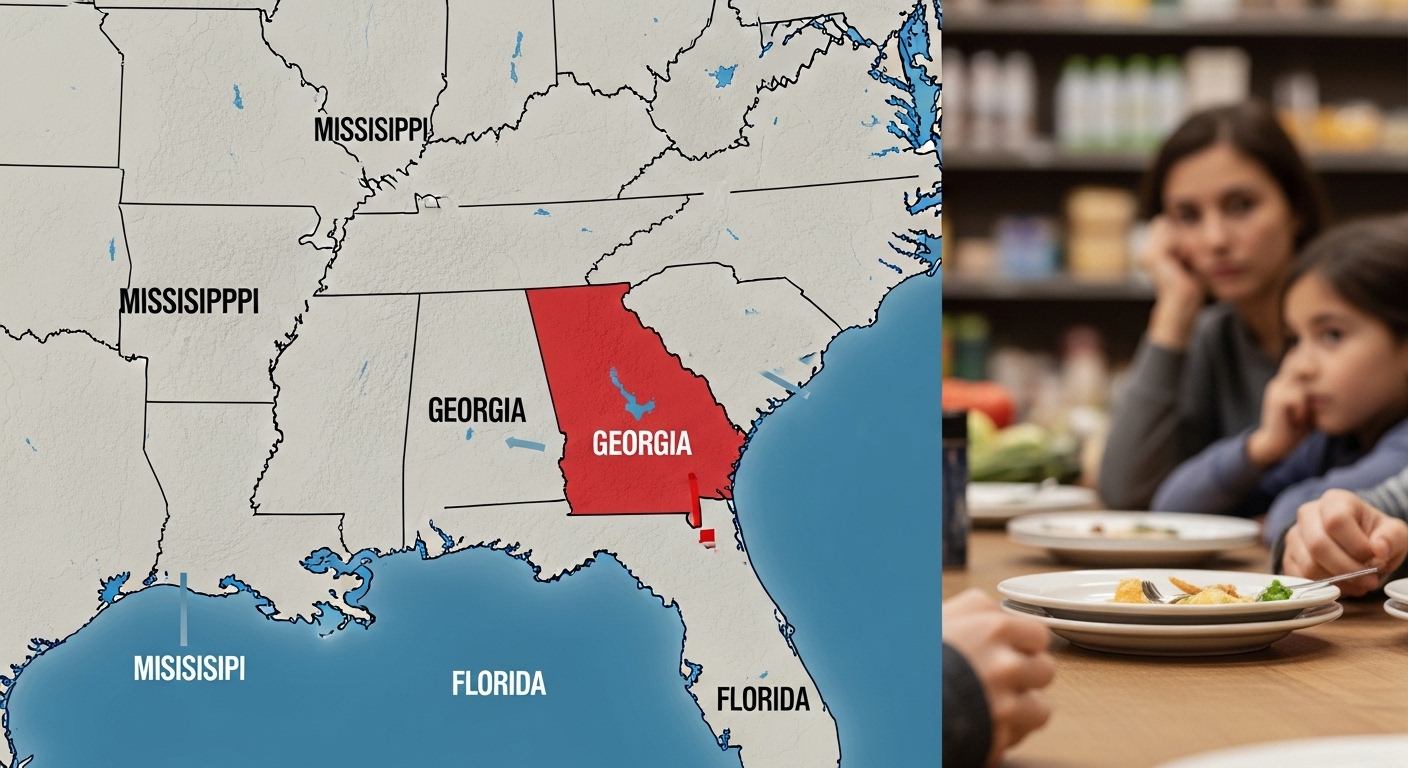
In 2026, the U.S. Department of Agriculture (USDA) implemented new Supplemental Nutrition Assistance Program (SNAP) rules impacting select states. These changes directly affect benefit eligibility for certain households, particularly adults without dependents. Currently, three states, Mississippi, Georgia, and Florida, are experiencing the most immediate effects. This guide provides a detailed breakdown of who loses benefits, eligibility criteria, and official guidance for affected applicants.
SNAP Rule Changes
The SNAP program, administered by the USDA’s Food and Nutrition Service (FNS), provides food assistance to low-income individuals and families. The 2026 rule update focuses on work requirements for Able-Bodied Adults Without Dependents (ABAWDs) and time-limited benefits.
Key changes include:
- Enforcement of the 3-month time limit for ABAWDs who do not meet work/training requirements.
- Increased state-level reporting obligations to verify employment or job training compliance.
- Adjustments to exemptions and hardship criteria at the state level.
These modifications are aimed at aligning SNAP participation with federal policy priorities while ensuring fiscal sustainability.
States Most Affected
| State | Primary Impact | Number of Potentially Affected Households (2026 est.) |
| Mississippi | ABAWDs exceeding 3-month limit without employment | 15,000+ |
| Georgia | Work requirement enforcement for ABAWDs | 22,000+ |
| Florida | ABAWD exemptions reviewed; stricter documentation | 18,500+ |
Note: Numbers are based on USDA FNS preliminary reports and state-level SNAP enrollment data (2026–2026).
Who Loses Benefits
Affected populations include:
- Adults aged 18–49 without dependents who are not working or in an approved training program.
- Households exceeding state-defined ABAWD limits for consecutive months.
- Individuals failing to provide timely verification of employment or exemption status.
Common reasons for benefit loss:
- Failure to meet work/training hour requirements (minimum 80 hours/month).
- Missing state-mandated reporting deadlines.
- Incomplete or outdated documentation for exemptions (e.g., medical or caregiving exemptions).
SNAP Eligibility Criteria
| Eligibility Factor | Requirement |
| Income | Household income ≤ 130% of the federal poverty level (FPL) |
| Residency | Must reside in the state where application is submitted |
| Work Requirements | ABAWDs: 80+ hours/month of work/training or qualify for exemption |
| Citizenship | U.S. citizen or eligible non-citizen |
| Assets | Generally ≤ $2,750 for most households (exceptions apply) |
Note: While income and asset limits are federal, states have flexibility for ABAWD work exemptions and documentation.
How to Apply or Maintain Benefits
- Check eligibility through your state SNAP portal:
- Submit required documentation (ID, income verification, work/training enrollment).
- Schedule interviews or follow-ups if requested.
- Report changes promptly to avoid benefit suspension.
Required Documents
- Proof of identity (driver’s license, state ID, passport)
- Proof of residency (utility bill, lease agreement)
- Proof of income/employment (pay stubs, unemployment award letters)
- Proof of ABAWD exemption (medical certificate, caregiving verification)
FAQs
Q1: Who is eligible for SNAP in affected states?
Individuals and families with income ≤130% FPL, residents of the state, U.S. citizens or eligible non-citizens, and ABAWDs meeting work/training or exemption requirements.
Q2: How much funding is available per household?
SNAP benefits vary by household size and income. Average monthly benefits range from $250–$500 per household, subject to federal calculation formulas.
Q3: How to apply for SNAP benefits?
Apply online via your state SNAP portal, submit required documents, and complete any requested interviews.
Q4: What are common reasons for rejection?
Failure to meet income limits, missing ABAWD work/training hours, incomplete documentation, or delayed reporting.
Sources:






Top States Providing Financial Relief and Emergency Cash Assistance in 2026

Section 811 Housing Assistance 2026: What Disabled Adults Need to Know

Top U.S. Government AI Grants You Should Watch in 2026

VA Closing Cost Assistance for Veterans in 2026: What’s Really Changed This Year?

Fast Food Places That Accept EBT Cards (Full List)

25 Small Business Grants You Can Apply for in 2026

Affordable Housing and Rental Assistance Programs for Texas Single Moms

Most Commonly Approved Government Grant Applications
-
 Food & EBT / SNAP Benefits6 months ago
Fast Food Places That Accept EBT Cards (Full List)
-
 Small Business Grants6 months ago
25 Small Business Grants You Can Apply for in 2026
-
 Single Mothers Benefits4 months ago
Affordable Housing and Rental Assistance Programs for Texas Single Moms
-
 Government Grants6 months ago
Most Commonly Approved Government Grant Applications
-

 Veterans Assistance4 months ago
Top Veterans Financial Assistance Programs 2026
-

 Single Mothers Benefits5 months ago
Trump Tax Plan Stay-at-Home Mom Tax Credit Explained: What the Law Actually Says (2026)
-

 Utility & Bills Help6 months ago
LIHEAP 2026 Application Guide for Energy Assistance
-

 Utility & Bills Help5 months ago
How to Get Free Help Paying Your Electric Bill
-

 Food & EBT / SNAP Benefits5 months ago
5 Key SNAP Policy Changes Coming in 2026 You Should Know
-

 Government Grants6 months ago
How to Apply for Government Grants Online