
Food & EBT / SNAP Benefits
Farm to Food Bank Grants Expanding Emergency Food Distribution Through 2026 State Plans
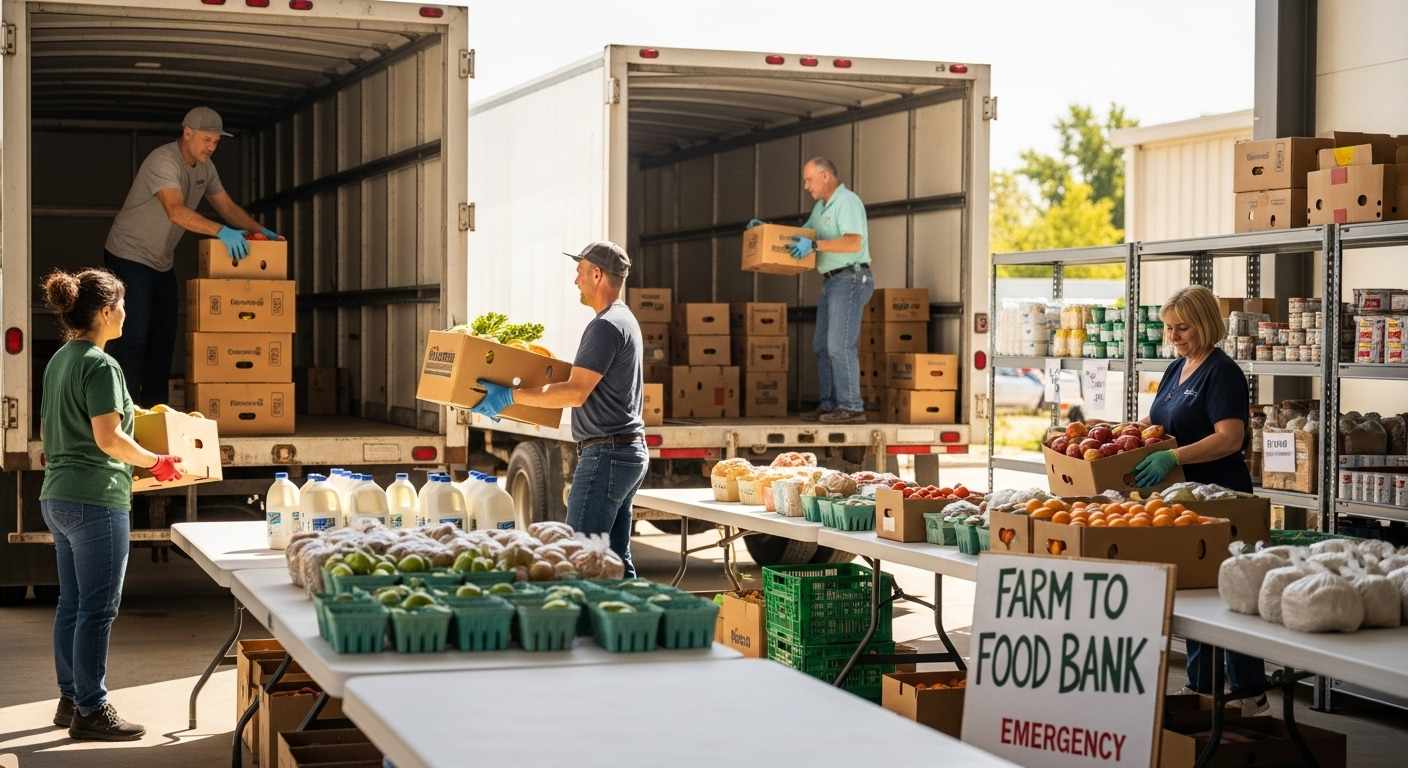
The Farm to Food Bank program continues to play a critical role in expanding emergency food distribution nationwide. Updated 2026 state plans have increased funding and streamlined access for nonprofit organizations, local governments, and small businesses that supply nutritious farm products to local food banks. This program is designed to reduce food insecurity while supporting American farmers and producers. Understanding eligibility, funding limits, and application procedures is essential for stakeholders seeking participation.
Program Overview and Policy Framework
The Farm to Food Bank initiative, administered through the U.S. Department of Agriculture (USDA) Agricultural Marketing Service (AMS), aligns with federal efforts to combat hunger while strengthening local agricultural supply chains. First established under the Farm Bill, the program provides grants to cover:
- The cost of purchasing surplus farm products.
- Transportation and storage expenses.
- Distribution to qualified food banks and community feeding programs.
The 2026 state-specific plans aim to enhance local partnerships, prioritize underserved communities, and increase the volume of fresh produce, dairy, and protein distributed.
Purpose of the 2026 Expansion
The 2026 grant cycle focuses on:
- Increasing emergency food availability for communities affected by economic disruption, natural disasters, or food deserts.
- Supporting local farmers and producers, helping them move surplus crops that might otherwise go to waste.
- Encouraging statewide collaboration between agriculture departments, food banks, and municipal governments.
Eligibility Criteria
Eligibility varies slightly by state, but applicants generally include:
| Eligible Applicant Type | Notes |
| Nonprofit food banks and pantries | Must have 501(c)(3) status and provide regular emergency food services |
| Local or municipal governments | Agencies responsible for food assistance programs |
| Agricultural producers & cooperatives | Partnering with food banks or nonprofit distributors |
| Food hubs & startups | Organizations aggregating farm products for redistribution |
Key eligibility requirements:
- Demonstrated capacity to distribute emergency food.
- Ability to comply with federal and state reporting requirements.
- Projects must prioritize locally sourced agricultural products.
Funding Amounts and Limits
The 2026 grant allocations are:
| Grant Type | Funding Range | Duration |
| Standard Distribution Grants | $25,000 – $250,000 | 1 fiscal year |
| Large-Scale Statewide Grants | $250,001 – $750,000 | 1–2 fiscal years |
| Supplemental Emergency Grants | $10,000 – $50,000 | As needed for disaster relief |
Note: Funding availability is state-specific and may change mid-cycle. Always verify the latest USDA or state-level announcements.
How to Apply
Step-by-Step Application Process:
- Confirm eligibility via USDA or state agriculture department portals.
- Register with the federal Grants.gov system (if federal funds are requested).
- Prepare documentation, including:
- IRS 501(c)(3) verification (if applicable)
- Letters of support from local partners
- Budget and project plan
- Submit proposal according to your state’s RFA (Request for Applications).
- Track status via your online grant portal and respond promptly to requests for additional information.
Required Documents
| Document | Purpose |
| IRS determination letter | Verify nonprofit status |
| Organizational budget | Demonstrate fiscal responsibility |
| Project plan | Outline distribution strategy and logistics |
| Letters of partnership | Confirm collaboration with farmers or local distributors |
Common Reasons for Rejection
- Incomplete or late applications.
- Failure to demonstrate local sourcing or community impact.
- Insufficient capacity for emergency food distribution.
- Budget or reporting inconsistencies.
FAQs
Who is eligible for Farm to Food Bank grants?
Nonprofits, local governments, agricultural producers, cooperatives, food hubs, and startups distributing farm products to food banks.
How much funding is available?
Grants range from $10,000 to $750,000 depending on project scale and state-specific allocations.
How do I apply?
Register with Grants.gov or the relevant state portal, prepare required documents, and submit your proposal according to the RFA.
What documents are required?
IRS 501(c)(3) verification, organizational budget, project plan, and letters of partnership.
Why are applications rejected?
Incomplete forms, missed deadlines, lack of local sourcing, and insufficient distribution capacity.
Sources:




Top States Providing Financial Relief and Emergency Cash Assistance in 2026

Section 811 Housing Assistance 2026: What Disabled Adults Need to Know

Top U.S. Government AI Grants You Should Watch in 2026

VA Closing Cost Assistance for Veterans in 2026: What’s Really Changed This Year?

Fast Food Places That Accept EBT Cards (Full List)

25 Small Business Grants You Can Apply for in 2026

Affordable Housing and Rental Assistance Programs for Texas Single Moms

Most Commonly Approved Government Grant Applications
-
 Food & EBT / SNAP Benefits5 months ago
Fast Food Places That Accept EBT Cards (Full List)
-
 Small Business Grants5 months ago
25 Small Business Grants You Can Apply for in 2026
-
 Single Mothers Benefits3 months ago
Affordable Housing and Rental Assistance Programs for Texas Single Moms
-
 Government Grants5 months ago
Most Commonly Approved Government Grant Applications
-

 Veterans Assistance3 months ago
Top Veterans Financial Assistance Programs 2026
-

 Utility & Bills Help5 months ago
LIHEAP 2026 Application Guide for Energy Assistance
-

 Utility & Bills Help4 months ago
How to Get Free Help Paying Your Electric Bill
-

 Single Mothers Benefits4 months ago
Trump Tax Plan Stay-at-Home Mom Tax Credit Explained: What the Law Actually Says (2026)
-

 Food & EBT / SNAP Benefits4 months ago
5 Key SNAP Policy Changes Coming in 2026 You Should Know
-

 Government Grants5 months ago
How to Apply for Government Grants Online