
Food & EBT / SNAP Benefits
New SNAP Requirements Are Here: How States Are Responding
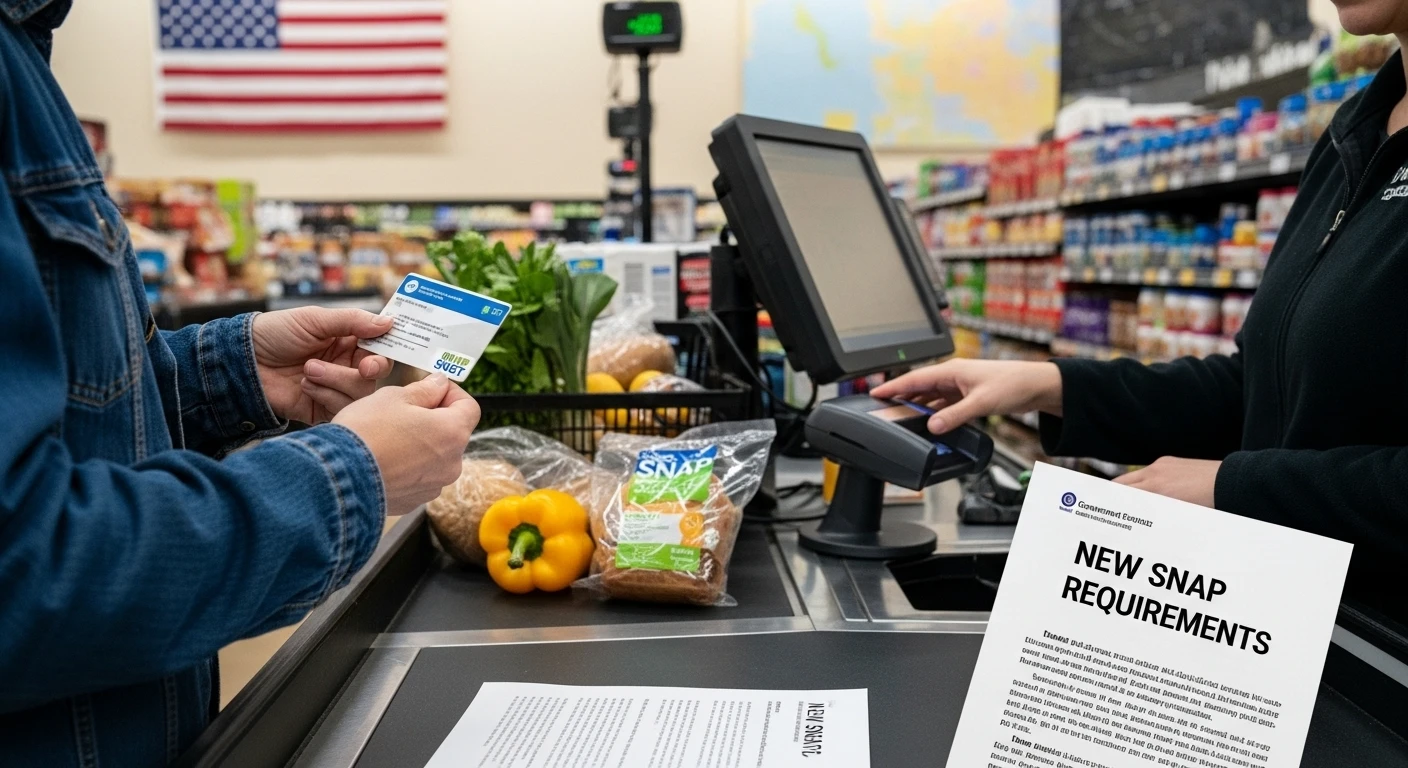
The New SNAP Requirements 2026 are now in effect, introducing significant policy adjustments that directly impact eligibility, work requirements, and benefit administration across the United States. These changes, implemented under the oversight of the U.S. Department of Agriculture (USDA), aim to tighten compliance while expanding workforce participation among recipients.
As states begin to interpret and enforce these updated federal guidelines, applicants, nonprofits, and local governments must understand both the national framework and localized responses. This guide provides a verified, policy-based breakdown of what has changed, why it matters, and how states are adapting in 2026–2026.
What Is SNAP and Why the New Requirements Matter
The Supplemental Nutrition Assistance Program (SNAP), administered by the Food and Nutrition Service, provides monthly food assistance to low-income individuals and families.
Policy Context (2026–2026 Updates)
The latest SNAP changes stem from federal legislation tied to budget adjustments and labor policy reforms. Key drivers include:
- Expansion of work requirements for able-bodied adults
- Increased emphasis on employment and training programs (E&T)
- Enhanced fraud prevention and verification systems
- State-level flexibility in implementation
These updates are part of broader federal efforts to balance social safety nets with workforce engagement.
Key SNAP Requirement Changes in 2026
1. Expanded Work Requirements
The age limit for Able-Bodied Adults Without Dependents (ABAWDs) has increased:
- Previously: 18–49 years
- Now: 18–54 years
Recipients in this category must meet at least:
- 80 hours/month of work, OR
- Participate in approved training programs
Exemptions still apply for:
- Pregnant individuals
- Veterans
- Homeless individuals
- Individuals with medical conditions
2. Stricter Eligibility Verification
States are now required to enhance documentation checks, including:
- Income verification through payroll systems
- Residency confirmation
- Cross-checking federal benefit databases
This aligns with fraud reduction mandates issued by the USDA.
3. Employment & Training (E&T) Expansion
States must expand access to SNAP E&T programs:
- Job placement services
- Skills training
- Career counseling
Funding allocations for these programs have increased under FY 2026 provisions.
4. Benefit Adjustments and Cost-of-Living Updates
While eligibility is tightening, benefit levels have been adjusted for inflation:
- Monthly allotments increased modestly (varies by household size and state)
- Based on updates to the Thrifty Food Plan
How States Are Responding
State governments play a critical role in implementing SNAP policies. Responses vary based on administrative capacity, labor markets, and demographics.
Proactive States (Expansion-Focused)
Some states are expanding support services:
- Increasing funding for job training programs
- Partnering with NGOs and workforce agencies
- Offering digital application systems
Example actions include expanded online portals for eligibility checks and faster case processing timelines.
Compliance-Focused States
Other states are prioritizing strict enforcement:
- Enhanced fraud detection systems
- Frequent eligibility reviews
- Mandatory participation tracking
These states emphasize accountability and program integrity.
Hybrid Approaches
Many states are balancing both:
- Providing training opportunities
- Enforcing stricter reporting requirements
Eligibility Criteria
| Criteria | Requirement (2026) |
| Income Level | ≤ 130% of Federal Poverty Line |
| Resource Limit | Typically $2,750–$4,250 |
| Work Requirement | 80 hrs/month (ABAWDs 18–54) |
| Citizenship Status | U.S. citizen or eligible noncitizen |
| Residency | Must apply in state of residence |
How to Apply for SNAP (Step-by-Step)
- Check Eligibility
Use your state SNAP website or USDA eligibility tools - Submit Application
Online via state portal or in person at a local SNAP office - Provide Required Documents
ID proof, income statements, rent/utilities documentation - Complete Interview
Phone or in-person verification - Receive Decision
Typically within 30 days
Required Documents
Applicants must prepare:
- Government-issued ID
- Proof of income (pay stubs, tax returns)
- Social Security numbers
- Utility bills or lease agreements
- Medical expense records (if applicable)
Common Reasons for SNAP Application Rejection
- Incomplete documentation
- Income exceeding limits
- Failure to meet work requirements
- Missed interviews
- Residency inconsistencies
Understanding the Impact of New SNAP Requirements in 2026
The New SNAP Requirements 2026 represent a significant shift toward workforce integration and stricter compliance. While the federal framework sets the rules, state responses ultimately shape how these changes affect applicants on the ground.
For individuals and organizations navigating SNAP, staying informed, maintaining documentation, and understanding state-specific requirements are essential to securing and maintaining benefits.
Frequently Asked Questions
Who is eligible under the new SNAP requirements?
Eligibility depends on income, household size, and work participation. Individuals aged 18–54 without dependents must meet work requirements unless exempt.
How much SNAP funding is available in 2026?
Funding varies by household size and state, but benefits have been adjusted slightly upward due to inflation and updates to the Thrifty Food Plan.
How can I apply for SNAP benefits?
You can apply online through your state SNAP portal, in person at a local office, or via mail. The process includes submitting documents and completing an interview.
What documents are required for SNAP?
Required documents include ID proof, income verification, Social Security numbers, and housing-related expenses like rent or utility bills.
What are the most common reasons for rejection?
Applications are often rejected due to missing documents, exceeding income limits, or failing to meet work requirements.
Sources:
- USDA SNAP Overview: https://www.fns.usda.gov/snap
- SNAP State Directory: https://www.fns.usda.gov/snap/state-directory
- Federal Register Updates: https://www.federalregister.gov



Top States Providing Financial Relief and Emergency Cash Assistance in 2026

Section 811 Housing Assistance 2026: What Disabled Adults Need to Know

Top U.S. Government AI Grants You Should Watch in 2026

VA Closing Cost Assistance for Veterans in 2026: What’s Really Changed This Year?

Fast Food Places That Accept EBT Cards (Full List)

25 Small Business Grants You Can Apply for in 2026

Affordable Housing and Rental Assistance Programs for Texas Single Moms

Most Commonly Approved Government Grant Applications
-
 Food & EBT / SNAP Benefits5 months ago
Fast Food Places That Accept EBT Cards (Full List)
-
 Small Business Grants5 months ago
25 Small Business Grants You Can Apply for in 2026
-
 Single Mothers Benefits3 months ago
Affordable Housing and Rental Assistance Programs for Texas Single Moms
-
 Government Grants5 months ago
Most Commonly Approved Government Grant Applications
-

 Veterans Assistance3 months ago
Top Veterans Financial Assistance Programs 2026
-

 Utility & Bills Help5 months ago
LIHEAP 2026 Application Guide for Energy Assistance
-

 Utility & Bills Help4 months ago
How to Get Free Help Paying Your Electric Bill
-

 Single Mothers Benefits4 months ago
Trump Tax Plan Stay-at-Home Mom Tax Credit Explained: What the Law Actually Says (2026)
-

 Food & EBT / SNAP Benefits3 months ago
5 Key SNAP Policy Changes Coming in 2026 You Should Know
-

 Government Grants5 months ago
How to Apply for Government Grants Online