
Single Mothers Benefits
Congress Boosts Maternal & Child Health Programs: What Single Moms Need to Know
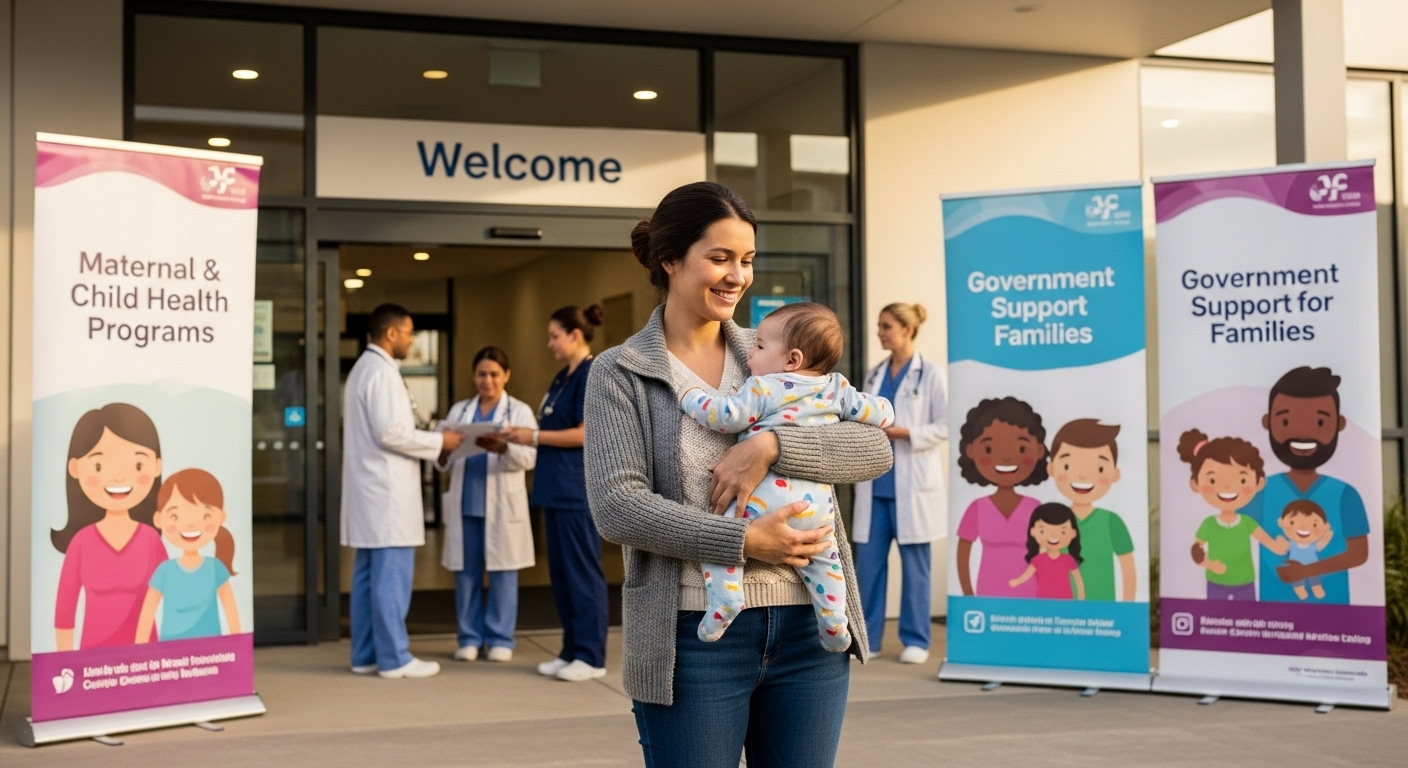
Maternal and child health (MCH) remains a critical public‑service priority in federal policy. In late 2026 and early 2026, the U.S. Congress passed major appropriations legislation that boosts maternal and child health programs, preserving and expanding funding for safety‑net health services that support pregnant women, infants, and young children. This guide provides clear, authoritative insights into what single moms and the organizations that support them need to know about these changes, how to access funding and services, eligibility requirements, key deadlines, and why this matters now.
All details below are drawn from official government sources and verified program notices as of 2026–2026.
Why This Matters Now: Policy & Funding Context
Congressional Action & FY26 Appropriations
In February 2026, Congress included substantial investments in maternal and child health programs as part of the Consolidated Appropriations Act, 2026 (H.R. 7148). Key allocations include: (AMCHP)
- $818.7 million for the Title V Maternal and Child Health (MCH) Services Block Grant—a core federal support that enables states to deliver preventive and primary care services. (AMCHP)
- $145.25 million restored for the Healthy Start Program, which targets high‑risk communities to reduce infant mortality and support mothers before, during, and after pregnancy. (AMCHP)
- $113.5 million for CDC’s Safe Motherhood Infant Health portfolio and $23 million for CDC’s SET‑NET maternal and infant surveillance initiative. (AMCHP)
- Full reauthorization of the Preventing Maternal Deaths Act, reinforcing nationwide efforts to reduce pregnancy‑related deaths. (AMCHP)
These legislative actions reflect bipartisan consensus that maternal and child health programs are essential public health infrastructure.
Federal Administrative Efforts
Separately, federal agencies such as the U.S. Department of Health and Human Services (HHS), Health Resources and Services Administration (HRSA), and the Centers for Disease Control and Prevention (CDC) have invested hundreds of millions in maternal health initiatives, particularly home visiting and maternal mortality review committees, to strengthen prenatal care access and support outcomes. (CDC)
Core Programs That Affect Single Moms
Federal support for maternal and child health comes through a mix of block grants, competitive funding opportunities, and matched state programs. Here’s how they work and who can benefit:
Title V Maternal and Child Health (MCH) Services Block Grant
What it is:
A formula grant to all 50 states, U.S. territories, and tribal jurisdictions, enabling services like prenatal care, screening for high‑risk pregnancies, immunizations, and early childhood care. (hrsa.gov)
Single moms benefit from:
- Reduced barriers to prenatal, delivery, and postpartum care
- Funded services for low‑income women and children
- Care coordination and referrals for social services
Eligibility:
Individuals do not apply directly; rather, services are provided through state health departments and partnering clinics.
How to access services:
Contact your state health department’s Title V program (each state publishes its application and intake pathways).
Maternal, Infant, and Early Childhood Home Visiting (MIECHV) Program
Purpose:
Evidence‑based home visiting services connect pregnant women and families with trained professionals who coach on maternal health, child development, breastfeeding support, and referrals to community resources. (mchb.hrsa.gov)
Funding Highlights (FY25 & FY26):
- Over $481 million awarded in FY25 to states and organizations. (mchb.hrsa.gov)
- Funding trends show sustained support that benefits home visiting services relevant to single moms nationwide.
Eligibility:
States determine eligibility based on federal guidelines, typically prioritizing:
- Families with low incomes
- First‑time parents
- Young mothers
- Those in rural or underserved areas
How to participate:
Reach out to your local home visiting provider through your state’s health department directory.
Healthy Start Program
What it does:
Targets communities with high infant mortality rates, delivering culturally‑relevant services and outreach, including:
- Case management
- Health education
- Behavioral health supports
Funding Status:
Restored and increased in FY26, strengthening ongoing services. (AMCHP)
Other Federal Supports Affecting Single Moms
Federal MCH initiatives also intersect with:
- Medicaid and Children’s Health Insurance Program (CHIP) — expansions and postpartum coverage
- Medicaid Partnerships for Maternal Health — improving coordination across safety‑net systems (mchb.hrsa.gov)
Eligibility, Benefits & How to Apply
| Program | Who Is Eligible | Key Benefits | How to Apply |
| Title V MCH Services Block Grant | Low‑income mothers & children | Preventive care, screenings, maternal services | Contact state Title V agency |
| MIECHV Home Visiting | High‑need families during pregnancy/early childhood | Home‑based care & referrals | Locate provider via state health dept |
| Healthy Start | Residents of high infant mortality communities | Health education & care coordination | Community health center or state program |
Important: Individuals do not apply directly for block grants, instead, access through state health departments, community health centers, FQHCs, or partnering non‑profits.
Yearly Must-Knows: Updates You Can’t Ignore
Application Periods & Close Dates
- Specific Notices of Funding Opportunities (NOFOs) for new HRSA grant cycles (e.g., FY26 Title V, MIECHV FOAs) may open seasonally, typically spring to summer each year. Program announcements and closing dates vary. Available opportunities must be checked annually on HRSA Grants.gov listings.
Funding Amounts Change Each Fiscal Year
- FY26 appropriations reflect current law; funding levels and priorities could shift in FY27 during the next appropriations cycle.
→ Recommended action: Subscribe to updates from:
- Grants.gov
- HRSA Maternal & Child Health Bureau Newsroom
- Your state health department
FAQs
Who is eligible for federal maternal and child health support?
Federal MCH support is not applied for directly by individuals. Instead, state health agencies and qualifying organizations receive federal funds. Single moms can access services if they meet state program eligibility criteria — typically based on income level, pregnancy stage, and residency.
How much funding is available in FY26 for maternal and child health programs?
For FY26 Congress appropriated:
- $818.7M for the Title V MCH Block Grant
- $145.25M for Healthy Start
- Additional funds for CDC maternal health initiatives and surveillance programs. (AMCHP)
Exact awards to each state vary by formula and submission quality.
How can single moms apply for these programs?
Single moms should access services through local providers — such as:
- State Title V offices
- Home visiting program providers
- Federally Qualified Health Centers (FQHCs)
Contact local health departments to be referred to the right intake process.
What documents are typically required?
Documentation for eligibility and service access usually includes:
- Proof of income and residency
- Pregnancy verification
- Identification (ID/SSN)
- Insurance information (Medicaid or private)
What are common reasons for application or service denial?
Common barriers include:
- Missing documentation
- Incomplete forms
- Not meeting state program eligibility thresholds
- Applying outside active intake periods
Ensure forms are reviewed before submission and any follow‑up requested information is provided promptly.
Sources:
- HRSA Maternal & Child Health Bureau Programs: (hrsa.gov)
- MIECHV Program – State Awardees & Resources: (mchb.hrsa.gov)
- Title V MCH Services Block Grant Details: (hrsa.gov)
- Grants.gov Federal Funding Opportunities: https://www.grants.gov





Final Call for LIHEAP 2026: Many States Ending Applications This April

How Startups Can Get SBIR/STTR Funding in 2026

What Single Moms Need to Know About 2026 State Child Tax Credits

Major 2026 SNAP Changes: What CalFresh Recipients Need to Know

25 Small Business Grants You Can Apply for in 2025

Top Veterans Financial Assistance Programs 2025

How to Get Free Help Paying Your Electric Bill

LIHEAP 2025 Application Guide for Energy Assistance
-
 Small Business Grants11 months ago
25 Small Business Grants You Can Apply for in 2025
-
 Veterans Assistance11 months ago
Top Veterans Financial Assistance Programs 2025
-
 Utility & Bills Help11 months ago
How to Get Free Help Paying Your Electric Bill
-
 Utility & Bills Help11 months ago
LIHEAP 2025 Application Guide for Energy Assistance
-

 Food & EBT / SNAP Benefits11 months ago
Fast Food Places That Accept EBT Cards (Full List)
-

 Housing Assistance11 months ago
Apply for Section 8 Housing Vouchers (Updated 2025)
-

 Small Business Grants10 months ago
Women-Owned Business Grants & Funding Sources
-

 Government Grants11 months ago
How to Apply for Government Grants Online
-

 Government Grants11 months ago
25 Federal Grants That Give Free Money in 2025
-

 Disability Benefits11 months ago
How Much Disability Pay Can You Get in 2025?