
Veterans Assistance
Affordable Housing for Rural Veterans: HAC AHRV Grants Guide
What Is the AHRV Program?
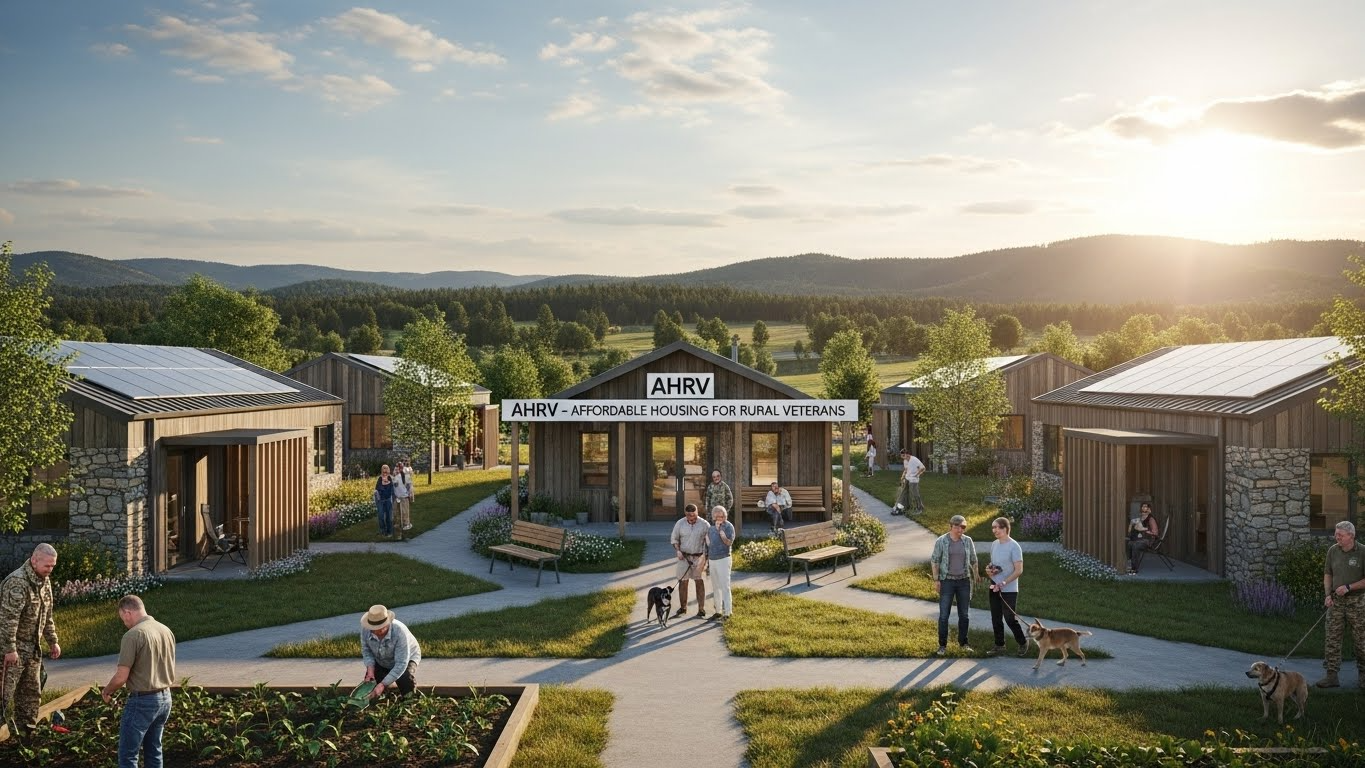
The Affordable Housing for Rural Veterans (AHRV) initiative is a targeted nonprofit grant program administered by the Housing Assistance Council (HAC) with support from The Home Depot Foundation. It funds bricks‑and‑mortar housing solutions in rural areas of the United States that help low‑income veterans secure or maintain safe, affordable homes. (ruralhome.org)
This content is designed to serve applicants, NGOs, small housing nonprofits, local governments, students, and community planners with factual guidance on eligibility, purpose, process, deadlines, and compliance requirements as of the latest 2026–2026 cycle.
Understanding the Need: Policy & Program Overview
Why This Program Exists
Rural veterans often face acute housing challenges — including limited affordable housing stock, weather‑related deterioration of aging homes, and barriers to homeownership or rental stability.
The AHRV Initiative addresses these gaps by empowering qualified nonprofit housing developers to deliver targeted housing activities that:
- Improve safe, adequate housing for rural veterans
- Support home repair and accessibility upgrades
- Increase veteran homeownership opportunities
- Expand affordable rental housing options
- Provide support for homeless and disabled veterans
By focusing on local capacity and community partnership, HAC seeks to help underserved rural populations in line with federal housing priorities and rural housing policy objectives. (ruralhealthinfo.org)
Program Purpose
The core mission of the Affordable Housing for Rural Veterans (AHRV) initiative is to:
- Facilitate affordable housing development, rehabilitation, and repair that benefits low‑income rural veterans
- Support nonprofits with proven housing experience to undertake projects with tangible community impact
- Promote long‑term housing stability and accessibility for veterans across rural America
All funded activities must be completed within the program’s standard 12‑month grant period and focus on physical (bricks‑and‑mortar) housing outcomes, not operating or administrative costs alone. (ruralhome.org)
Who It Benefits & Why It Matters
Primary Beneficiaries
This program ultimately serves rural veterans with low household incomes, including:
- Elderly veterans
- Disabled veterans
- Homeless or housing‑insecure veterans
- Veterans seeking affordable homeownership
However, direct federal funding does not go to individuals — instead, eligible nonprofit entities apply to carry out veteran‑focused housing work in rural communities. (ruralhealthinfo.org)
Eligibility – Who Can Apply
Eligible Applicants
To apply for the AHRV grant, an organization must be one of the following:
- 501(c)(3) nonprofit organization
- Tribally Designated Housing Entity (TDHE)
- Housing Authority acting as a nonprofit
Additionally, applicants must demonstrate:
- Minimum three years of direct or related experience serving veterans at or below 80% of area median income (AMI)
- A track record of housing or community development capacity
- Completed and compliant IRS determination letter with the proposal (ruralhome.org)
Eligibility Rules for Projects
- Project location must be rural — defined by the USDA’s rural housing eligibility criteria under Section 520 of the Housing Act of 1949.
- Proposed activities must benefit rural veterans through repairs, upgrades, homeownership support, rental development, or related housing needs. (ruralhome.org)
Important Exclusions
- Applicants with open active AHRV projects at the time of the new application are generally not eligible for additional funding in the same cycle. (ruralhome.org)
Funding Details & Grant Limits
| Category | Details |
| Maximum Grant Amount | Up to $30,000 per award |
| Standard Grant Period | 12 months (all activities completed) |
| Project Types Funded | Home repair, accessibility modifications, rental or homeowner production, homeless veteran housing support |
| Geographic Scope | Rural areas across all U.S. states that meet USDA rural definition |
Funding is provided on a competitive basis, and award sizes may vary depending on project scope and available funds. (ruralhealthinfo.org)
Application Timeline & Deadlines (2026–26 Cycle)

okActive Deadline:
January 19, 2026 — 4:00 PM (EST) submission deadline for the 2026 AHRV grant cycle. (ruralhome.org)
Pre‑Application Webinar:
January 7, 2026 — HAC will hold an online informational session for prospective applicants (details in the official RFP). (ruralhome.org)
(Note: All dates are subject to change annually. Content must be updated as new RFPs are released.)
Application Process – Step by Step
- Review the Official AHRV Request For Proposals (RFP) — includes guidelines, scoring criteria, and submission instructions. (ruralhome.org)
- Confirm Rural Eligibility — use the USDA rural property eligibility tool. (ruralhome.org)
- Prepare Required Documents:
- IRS 501(c)(3) determination letter
- Organizational profile and experience narrative
- Detailed project description and outcomes
- Budget and leveraged funding sources
- Maintenance plan beyond grant period (ruralhome.org)
- Submit Completed Application Packet via the official email address ([email protected]) before the deadline. (ruralhome.org)
- Attend Office Hours / Technical Assistance Sessions (recommended). (ruralhome.org)
Required Documents Checklist
- Organizational IRS determination letter (501(c)(3) or equivalent)
- Project narrative (scope, location, veteran populations served)
- Budget detail and fund leverage explanation
- Rural eligibility confirmation (USDA definition)
- Letters of support or partnerships (if applicable)
- Maintenance and sustainability plan
Common Reasons Applications Are Rejected
- Missing or incomplete documentation
- Project not in defined rural area per USDA standards
- Applicant does not meet experience or nonprofit status requirements
- Activities proposed are outside “bricks‑and‑mortar” housing outcomes
- Lack of clear plan for project sustainability beyond the grant period
Key Terms Explained
- Area Median Income (AMI): A HUD‑defined income threshold used to classify eligibility for housing programs.
- Bricks‑and‑Mortar Projects: Physical housing construction, rehabilitation, repair, or similar tangible housing outcomes.
- Rural Eligibility (USDA): A specific definition of non‑metropolitan and low‑population areas used by multiple federal agencies to qualify housing and community development projects.
FAQs
Who is eligible for HAC AHRV funding?
Nonprofits, tribally designated housing entities, and housing authorities with at least three years’ experience serving low‑income rural veterans.
How much funding is available?
Grants typically provide up to $30,000 per award, subject to competitive review.
What types of projects are supported?
Home repair, accessibility upgrades, affordable rental housing, homeownership support, and homeless veteran housing solutions.
Sources:
- Affordable Housing for Rural Veterans Initiative — Official HAC Program Page
- HAC 2026 AHRV Grant Application Guidelines (PDF) – full guidelines and application requirements (latest official RFP).
- USDA Property Eligibility Map & Tool – verify rural housing eligibility per USDA definitions.
- Veterans Data Central – national veteran demographic and housing data for planning and grant writing.







Top States Providing Financial Relief and Emergency Cash Assistance in 2026

Section 811 Housing Assistance 2026: What Disabled Adults Need to Know

Top U.S. Government AI Grants You Should Watch in 2026

VA Closing Cost Assistance for Veterans in 2026: What’s Really Changed This Year?

Fast Food Places That Accept EBT Cards (Full List)

25 Small Business Grants You Can Apply for in 2026

Affordable Housing and Rental Assistance Programs for Texas Single Moms

Most Commonly Approved Government Grant Applications
-
 Food & EBT / SNAP Benefits6 months ago
Fast Food Places That Accept EBT Cards (Full List)
-
 Small Business Grants6 months ago
25 Small Business Grants You Can Apply for in 2026
-
 Single Mothers Benefits4 months ago
Affordable Housing and Rental Assistance Programs for Texas Single Moms
-
 Government Grants6 months ago
Most Commonly Approved Government Grant Applications
-

 Veterans Assistance4 months ago
Top Veterans Financial Assistance Programs 2026
-

 Single Mothers Benefits5 months ago
Trump Tax Plan Stay-at-Home Mom Tax Credit Explained: What the Law Actually Says (2026)
-

 Utility & Bills Help6 months ago
LIHEAP 2026 Application Guide for Energy Assistance
-

 Utility & Bills Help5 months ago
How to Get Free Help Paying Your Electric Bill
-

 Food & EBT / SNAP Benefits5 months ago
5 Key SNAP Policy Changes Coming in 2026 You Should Know
-

 Government Grants6 months ago
How to Apply for Government Grants Online