
Education & Student Grants
Big Changes Coming to Federal Student Loans on July 1, 2026
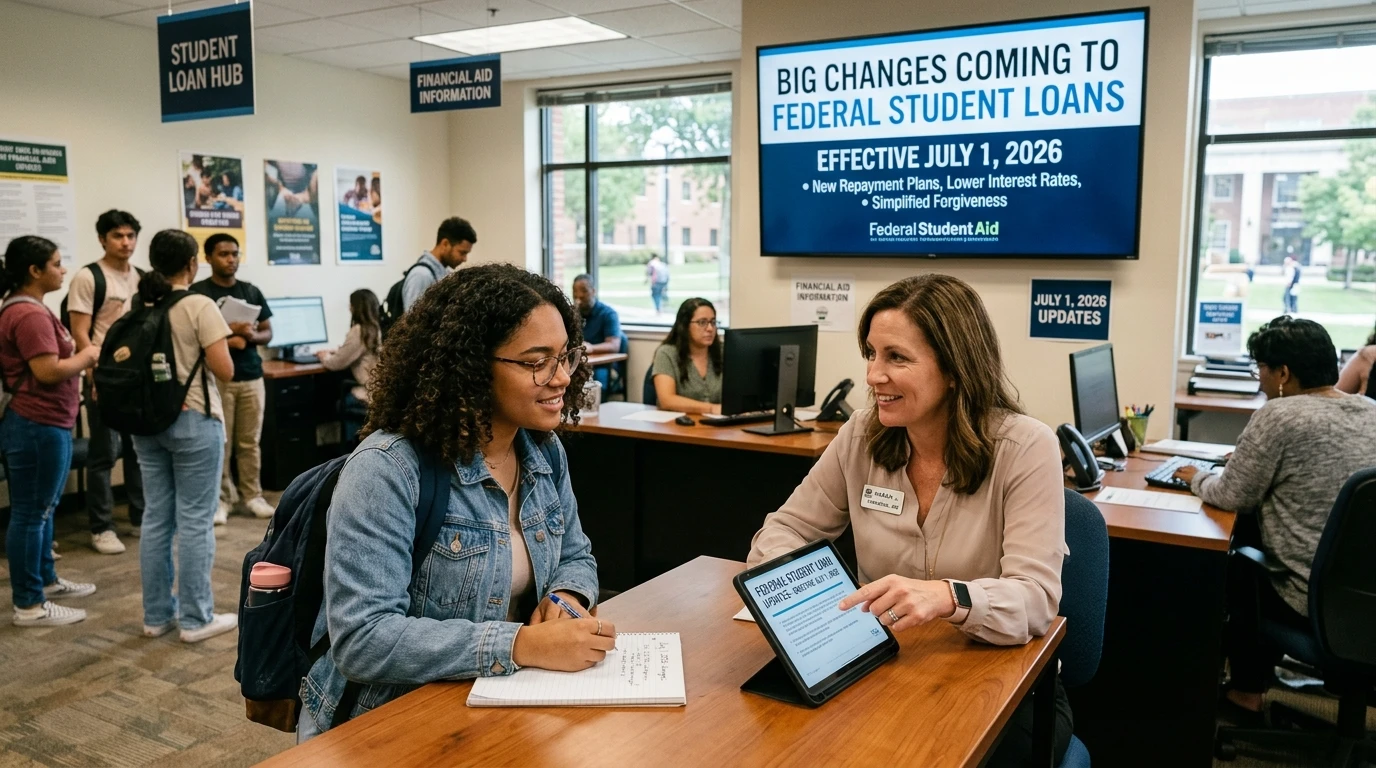
Starting July 1, 2026, the U.S. federal student loan system undergoes its most significant overhaul in decades under the One Big Beautiful Bill Act (OBBBA). Key changes include the elimination of the Graduate PLUS Loan program for new borrowers, new borrowing caps for graduate and parent borrowers, and a streamlined two-plan repayment system replacing most existing income-driven options.
What Is the One Big Beautiful Bill Act?
The One Big Beautiful Bill Act (OBBBA) was signed into law on July 4, 2025, by President Trump. It contains sweeping changes to federal financial aid programs, most of which take effect on July 1, 2026.
The law simplifies, and in many ways restricts, how students and parents borrow and repay federal student loans. Whether you are an incoming graduate student, a parent of an undergraduate, or an existing borrower, these changes affect you directly.
Elimination of the Graduate PLUS Loan Program
As of July 1, 2026, the Federal Direct Graduate PLUS Loan program is eliminated. New borrowers will not be able to borrow this loan.
Legacy Provision: If a student-borrower had a Federal Direct Loan disbursed before July 1, 2026, and remains enrolled in the same program of study, they can continue to borrow Graduate PLUS Loans for three academic years or the remainder of their expected time to complete their program, whichever is less.
New Borrowing Limits for Graduate and Professional Students
For students entering graduate or professional programs after July 1, 2026, federal borrowing now operates under fixed caps:
- Graduate programs: $20,500 per year / $100,000 aggregate for the degree
- Professional programs: $50,000 per year / $200,000 aggregate for the degree
- Combined lifetime cap: $257,500 across all federal student loans (excluding Parent PLUS)
These limits replace the previous system, where Grad PLUS loans covered up to the school’s full cost of attendance. The new structure may push some students toward private loans, which carry higher interest rates and no access to federal forgiveness or income-driven repayment. Undergraduate borrowing limits are unchanged.
New Parent PLUS Loan Limits
Prior to July 1, 2026, Parent PLUS Loan borrowers were not subject to borrowing limits beyond the cost of attendance. After July 1, new parent-borrowers will be subject to an annual limit of $20,000 per academic year and an aggregate Parent PLUS Loan limit of no more than $65,000 per dependent student.
The New Two-Plan Repayment System
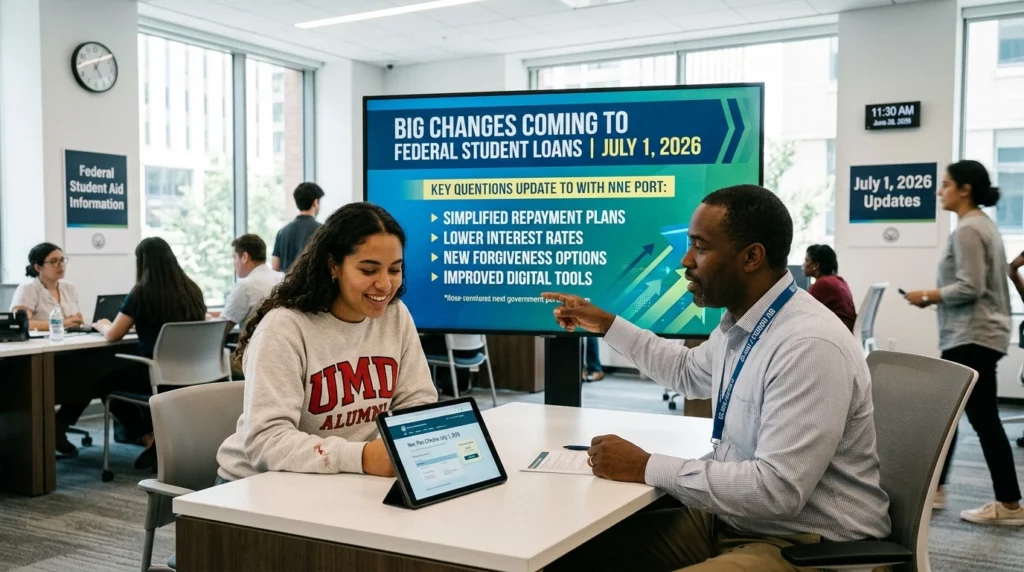
Starting July 1, 2026, the Department of Education is retiring the web of legacy repayment plans with a streamlined two-track system for new loans:
1. The New Standard Repayment Plan: A standard repayment plan with fixed monthly payments and terms ranging from 10 to 25 years, based on the amount borrowed.
2. The Repayment Assistance Plan (RAP): RAP is the only income-driven repayment option for borrowers who take out a loan after July 1, 2026. Monthly payments run from 1% to 10% of adjusted gross income, with a $10 minimum. Each eligible dependent reduces the payment by $50. Any remaining balance is forgiven after 360 qualifying payments over at least 30 years.
RAP provides a 100% unpaid interest subsidy. If your payment doesn’t cover all interest, the unpaid portion is waived. It also adds a unique feature: up to $50 of your payment goes directly to the principal each month.
Key Downside: If you have old loans enrolled in other income-driven plans and borrow any new loan on or after July 1, 2026, RAP becomes your only income-driven option for all of your loans.
What Happens to Existing Borrowers?
If you don’t take any new loans after July 1, 2026, you can stay on SAVE, PAYE, or ICR until July 1, 2028. After that, only IBR and RAP will be available.
If you do borrow again after July 1, 2026, you’ll be moved to the new RAP or Standard plan, even for your older loans.
What About Public Service Loan Forgiveness (PSLF)?
A separate rule also takes effect on July 1, 2026. The Department of Education published a final rule narrowing the list of employers that qualify for Public Service Loan Forgiveness. Under the new rule, no payment counts as a qualifying PSLF payment for any month where your employer engaged in activity constituting a “substantial illegal purpose.” This rule applies prospectively; it does not affect payments already credited before July 1, 2026.
Key Deadlines at a Glance
| Date | What Changes |
| July 1, 2026 | Grad PLUS eliminated; new loan caps take effect; RAP launches; new repayment plans only |
| July 1, 2028 | SAVE, PAYE, and ICR officially eliminated for all borrowers |
| After July 1, 2028 | Remaining borrowers auto-enrolled in IBR or RAP |
Frequently Asked Questions
What is the Repayment Assistance Plan (RAP)?
RAP is the new flagship income-driven repayment plan launching July 1, 2026. Payments range from 1% to 10% of adjusted gross income, with a $10 monthly minimum. Forgiveness occurs after 360 qualifying payments over 30 years.
Who is affected by the July 1, 2026, changes?
New graduate and professional students, new Parent PLUS borrowers, and any existing borrower who takes out a federal loan on or after July 1, 2026, are all directly affected. Existing borrowers who do not take out new loans can stay on their current repayment plan.
Will my existing student loans be affected?
If you don’t take out new loans after July 1, 2026, you can stay on your current repayment plan. If you do borrow again, you’ll be moved to the new RAP or Standard plan.
Is PSLF still available after July 1, 2026?
Yes, but with a narrower definition of qualifying employers. Payments made before July 1, 2026 are not affected by the new employer eligibility rule.
Where can I get official guidance?
Visit StudentAid.gov for official Department of Education guidance on all loan programs, repayment plans, and the RAP enrollment process.
Sources
- Federal Student Aid: studentaid.gov
- Repayment Plan Information: studentaid.gov/manage-loans/repayment/plans
- PSLF Program: studentaid.gov/manage-loans/forgiveness-cancellation/public-service







Top States Providing Financial Relief and Emergency Cash Assistance in 2026

Section 811 Housing Assistance 2026: What Disabled Adults Need to Know

Top U.S. Government AI Grants You Should Watch in 2026

VA Closing Cost Assistance for Veterans in 2026: What’s Really Changed This Year?

Fast Food Places That Accept EBT Cards (Full List)

25 Small Business Grants You Can Apply for in 2026

Affordable Housing and Rental Assistance Programs for Texas Single Moms

Most Commonly Approved Government Grant Applications
-
 Food & EBT / SNAP Benefits5 months ago
Fast Food Places That Accept EBT Cards (Full List)
-
 Small Business Grants5 months ago
25 Small Business Grants You Can Apply for in 2026
-
 Single Mothers Benefits3 months ago
Affordable Housing and Rental Assistance Programs for Texas Single Moms
-
 Government Grants5 months ago
Most Commonly Approved Government Grant Applications
-

 Veterans Assistance3 months ago
Top Veterans Financial Assistance Programs 2026
-

 Utility & Bills Help5 months ago
LIHEAP 2026 Application Guide for Energy Assistance
-

 Utility & Bills Help4 months ago
How to Get Free Help Paying Your Electric Bill
-

 Single Mothers Benefits4 months ago
Trump Tax Plan Stay-at-Home Mom Tax Credit Explained: What the Law Actually Says (2026)
-

 Food & EBT / SNAP Benefits4 months ago
5 Key SNAP Policy Changes Coming in 2026 You Should Know
-

 Government Grants5 months ago
How to Apply for Government Grants Online