
Food & EBT / SNAP Benefits
How Idaho’s 2026 SNAP Candy & Soda Ban Is Affecting Grocery Shopping
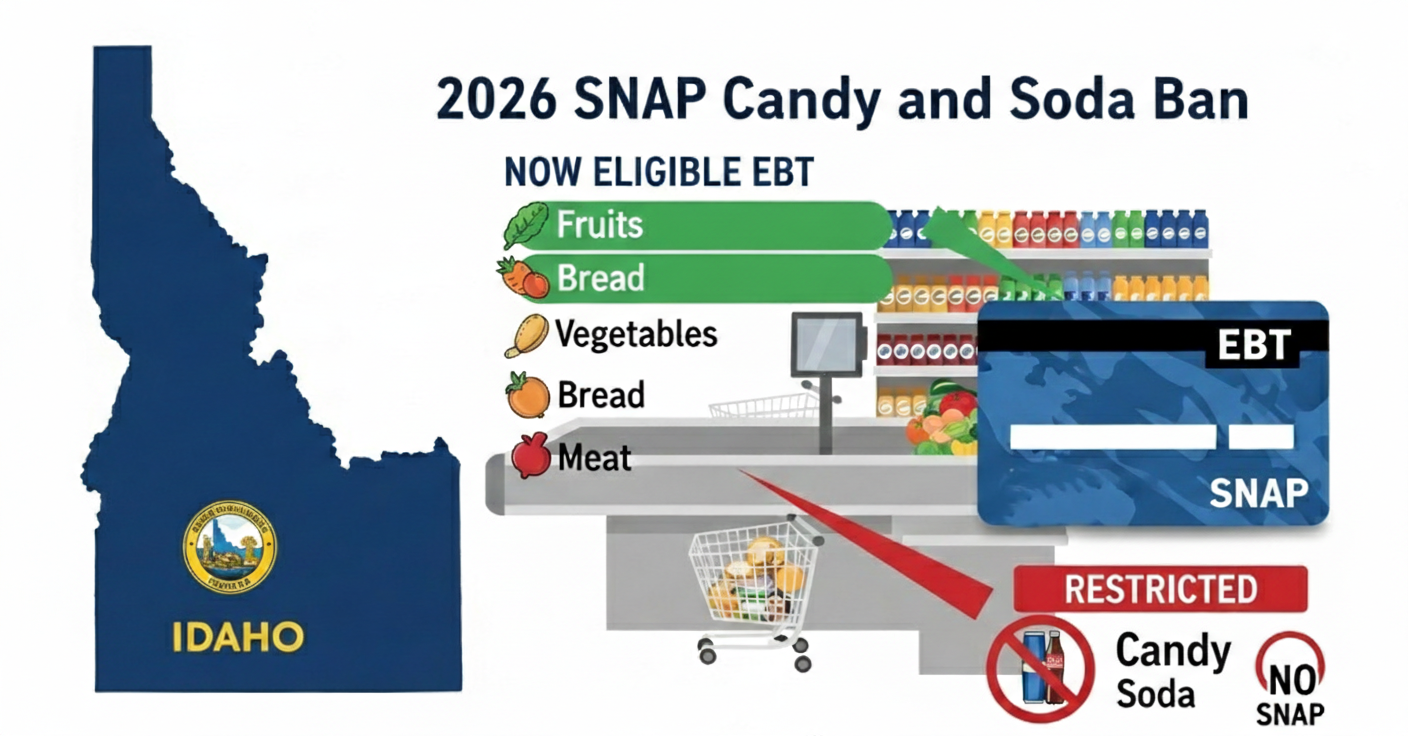
Beginning February 15, 2026, Idaho’s Supplemental Nutrition Assistance Program (SNAP) benefits can no longer be used to purchase candy or soda at grocery stores and retailers statewide. This policy shift, formally authorized under House Bill 109 (2026) and federally approved through a USDA SNAP Food Restriction Waiver, aims to curb consumption of high‑sugar, low‑nutrient products among benefit recipients. (healthandwelfare.idaho.gov)
This comprehensive guide explains the policy context, eligibility details, grocery shopping impacts, retailer compliance, and practical strategies for SNAP recipients, NGOs, small businesses, local governments, and advocates navigating this transition.
Policy Background & Purpose
What Is the SNAP Candy & Soda Ban?
Idaho’s 2026 policy removes candy and soda from the list of foods eligible for purchase with SNAP benefits. Specifically:
- Candy: Preparations of sugar, honey, or sweeteners combined with chocolate, fruit, nuts, or other ingredients in forms such as bars, drops, or pieces. (healthandwelfare.idaho.gov)
- Soda: Any non‑alcoholic beverage containing natural or artificial sweeteners. (healthandwelfare.idaho.gov)
These definitions align with Idaho statute and federal waiver language. (healthandwelfare.idaho.gov)
Purpose of the Policy
The change supports public health goals by encouraging nutritious food choices and reducing consumption of high‑sugar products that contribute to obesity, diabetes, and other chronic conditions. The Idaho Department of Health and Welfare (DHW) emphasizes that this is part of a broader shift toward nutrition‑focused assistance. (healthandwelfare.idaho.gov)
SNAP Eligibility Principles
SNAP eligibility rules for individuals and households remain unchanged by this restriction. Key points:
- Must meet income and resource limits set under federal and state law.
- Benefits levels are based on household size, income, and expenses.
- Disabilities and age‑related exceptions follow standard SNAP criteria.
SNAP benefits can still be used for:
- Fruits and vegetables (fresh, frozen, canned)
- Meat, poultry, fish
- Bread, rice, cereals, pasta
- Dairy products and substitutes
- Seeds/plants for food production (healthandwelfare.idaho.gov)
What Changed for Grocery Shopping (Effective Feb. 15, 2026)
Items No Longer Covered by SNAP
Starting Feb. 15, 2026, SNAP benefits in Idaho cannot be used to purchase:
- Candy (e.g., chocolate, gummies, sweets)
- Soda and other sweetened drinks
Other longstanding SNAP exclusions remain in effect (e.g., alcohol, tobacco, hot prepared foods). (healthandwelfare.idaho.gov)
What SNAP Still Covers
SNAP benefits continue to cover most staple foods, including:
- Unprepared meats and poultry
- Dairy products
- Breads, grains, cereals
- Fresh and processed produce
- Seeds/plants that produce food (healthandwelfare.idaho.gov)
Consumer takeaway: Your monthly SNAP allotment hasn’t changed—just what you can spend it on at the store. (joinforage.com)
Impacts on Grocery Shopping
For SNAP Recipients
- At checkout: Eligible items will be automatically approved by point‑of‑sale systems; restricted items (candy, soda) will not be covered by SNAP EBT. You may pay for those items with cash, debit, or credit. (healthandwelfare.idaho.gov)
- Planning ahead: Shoppers may need to adjust grocery lists and budgets to prioritize SNAP‑eligible foods.
- Definitions of “candy” and “soda” can cause confusion (e.g., some bars with flour content may remain eligible). (kmvt.com)
For Retailers
Retailers authorized to accept SNAP must update systems to comply with the restriction. Non‑compliance can result in loss of SNAP authorization. (fns-prod.azureedge.us)
- Advanced POS classification and UPC coding will distinguish eligible vs. ineligible items.
- Retail staff should be trained to answer customer queries.
Implementation Timeline
| Date | Milestone |
| April 2026 | Idaho House Bill 109 signed into law. (healthandwelfare.idaho.gov) |
| June 2026 | USDA approves SNAP Food Restriction Waiver. (fns.usda.gov) |
| Feb. 15, 2026 | Candy & soda ban on SNAP purchases takes effect. (healthandwelfare.idaho.gov) |
Frequently Asked Questions
Who is affected by Idaho’s SNAP candy & soda ban?
All SNAP participants in Idaho who use Electronic Benefit Transfer (EBT) cards for grocery shopping are affected. Retailers accepting SNAP must comply with the new restrictions. (healthandwelfare.idaho.gov)
Can SNAP benefits still buy candy or soda with cash?
Yes. You can add candy or soda to your grocery basket and pay for it with cash, debit, or credit – they just won’t be covered by SNAP EBT. (healthandwelfare.idaho.gov)
Why were candy and soda removed from SNAP eligibility?
The restriction is designed to encourage healthier food choices and align SNAP purchases with basic nutrition standards, backed by State legislation and USDA waiver approval. (healthandwelfare.idaho.gov)
Does this change increase or decrease SNAP benefit amounts?
No. The monetary value of SNAP benefits and eligibility criteria have not changed with the candy and soda restriction. (joinforage.com)
What if my grocery store POS doesn’t comply?
Retailers must update systems by Feb. 15, 2026. Contact the Idaho DHW SNAP Retailer support team for assistance. Non‑compliance may affect SNAP authorization. (healthandwelfare.idaho.gov)
Are other states implementing similar SNAP food restrictions?
Yes. A growing number of states are adopting similar SNAP waivers limiting sugary drinks and snacks beginning in 2026 under USDA‑approved pilots. (reuters.com)
Practical Tips for Stakeholders
For SNAP Recipients
- Review your shopping list before checkout.
- Learn product definitions to avoid surprises at the register.
- Consider local nutrition education resources.
For NGOs & Advisors
- Provide guidance on nutrition‑focused budgeting.
- Track emerging state SNAP policies for advocacy and support.
For Small Businesses & Retailers
- Update point‑of‑sale software ahead of deadlines.
- Train employees on SNAP definitions and compliance.
For Local Governments
- Monitor implementation challenges in rural or underserved areas.
- Partner with food access organizations on healthy food outreach.
Sources:
- Idaho Dept. of Health & Welfare – SNAP Updates
healthandwelfare.idaho.gov/services-programs/food-assistance/idaho-snap-updates-customers (healthandwelfare.idaho.gov) - SNAP Food Restriction Waiver – USDA Food & Nutrition Service
fns.usda.gov/snap/waivers/foodrestriction/idaho (fns.usda.gov)


Final Call for LIHEAP 2026: Many States Ending Applications This April

How Startups Can Get SBIR/STTR Funding in 2026

What Single Moms Need to Know About 2026 State Child Tax Credits

Major 2026 SNAP Changes: What CalFresh Recipients Need to Know

25 Small Business Grants You Can Apply for in 2025

Top Veterans Financial Assistance Programs 2025

How to Get Free Help Paying Your Electric Bill

LIHEAP 2025 Application Guide for Energy Assistance
-
 Small Business Grants11 months ago
25 Small Business Grants You Can Apply for in 2025
-
 Veterans Assistance11 months ago
Top Veterans Financial Assistance Programs 2025
-
 Utility & Bills Help11 months ago
How to Get Free Help Paying Your Electric Bill
-
 Utility & Bills Help11 months ago
LIHEAP 2025 Application Guide for Energy Assistance
-

 Food & EBT / SNAP Benefits11 months ago
Fast Food Places That Accept EBT Cards (Full List)
-

 Housing Assistance11 months ago
Apply for Section 8 Housing Vouchers (Updated 2025)
-

 Small Business Grants10 months ago
Women-Owned Business Grants & Funding Sources
-

 Government Grants11 months ago
How to Apply for Government Grants Online
-

 Government Grants11 months ago
25 Federal Grants That Give Free Money in 2025
-

 Disability Benefits11 months ago
How Much Disability Pay Can You Get in 2025?