
Utility & Bills Help
Internet Assistance Programs with Free Wi-Fi Plans
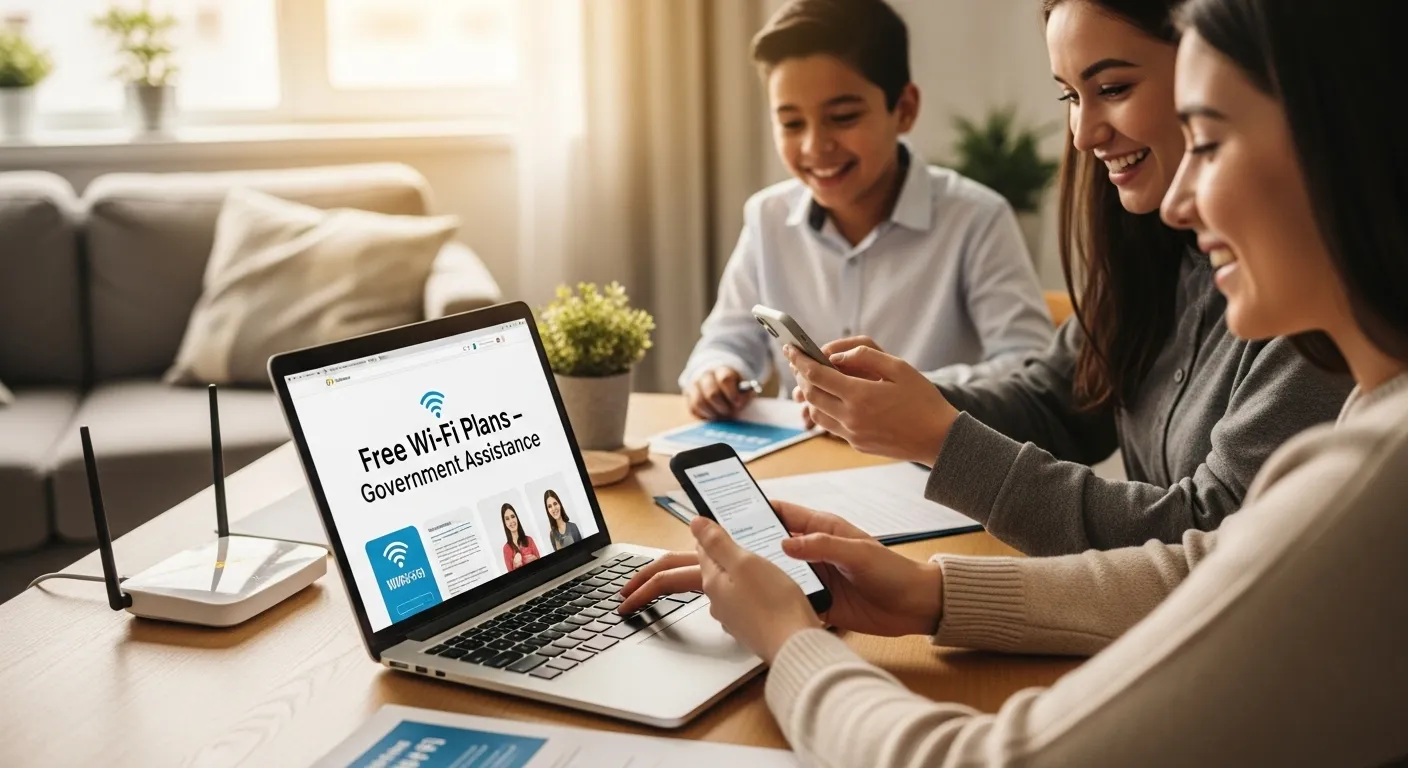
Millions of American households are being offered new opportunities to connect to the internet affordably — or in some cases, at no cost — through government-supported assistance programs and internet service provider (ISP) partnerships. These initiatives are critical in 2026 when internet access has become essential for education, work and healthcare. With updated eligibility criteria and program changes, now is the time to review your options.
What’s Happening & Why It Matters
The digital divide persists
Reliable internet is no longer a luxury—it’s a necessity. In rural America, low-income urban communities and tribal lands, many households still struggle to connect or pay for service. The lack of access creates major barriers: online learning falters, telehealth appointments are missed, job-seeking goes offline and social isolation increases.
Government stepping in
The federal government and major ISPs have ramped up efforts to bridge this gap. Two anchor programs to know:
- Lifeline Program: Ongoing low-income subsidy for phone/internet service. USAGov+2Universal Service Administrative Company+2
- Affordable Connectivity Program (ACP): Provided $30/month internet subsidies for eligible households—but ended in mid-2024 due to lack of funding. ncbroadband.gov+2HighSpeedInternet.com+2
Why you should care
If your household qualifies for these programs (income limits, participation in federal assistance programs, tribal status) you could significantly reduce or eliminate your internet bill, receive free or reduced-cost Wi-Fi devices, or access low-cost high-speed service from ISPs. Given the end of the ACP, maximizing current options is critical now.
Program Details & How to Apply

Lifeline Program — ongoing support
- The Lifeline Program reduces monthly phone or internet service costs for eligible low-income consumers. Universal Service Administrative Company+1
- Eligibility: Household income at or below 135% of the federal poverty guidelines or participation in federal assistance programs like SNAP, Medicaid, SSI. Congress.gov+1
- Typical subsidy: Up to $9.25 per month for home internet service; tribal lands may qualify for larger subsidy. Congress.gov+1
- How to apply: Visit the national verifier portal or your state’s program site. Universal Service Administrative Company
Affordable Connectivity Program (ACP) — now closed
- The ACP offered up to $30/month discount (and up to $75/month on tribal lands) for eligible households and a one-time equipment discount. Federal Communications Commission+1
- As of June 1 2024, the ACP ended due to lack of congressional funding. Broadband for All+1
- Although new enrollments are closed, many households who were enrolled may still benefit through installed discounts. It’s wise to check your status.
Low-cost Internet Plans via ISPs
While the major federal subsidy (ACP) has ended, many ISPs offer discounted plans to low-income households:
- AT&T Access: Low-cost home internet with Wi-Fi at no contract for qualifying households. AT&T
- Xfinity Internet Essentials / Broadband Opportunity Program: Internet at reduced cost for SNAP, Medicaid, and other public-assistance recipients. xfinity.com
- Many other local providers offer “Internet Assist” plans or scholarships—check your area. spectrum.com+1
Eligibility Checklist — Could You Qualify?

Do you (or a household member) receive SNAP, Medicaid, SSI, Pell Grant, or other federal assistance?- Is your household income at or below the threshold (e.g., 135% of FPL for Lifeline)? Congress.gov
- Do you live on tribal lands or in a high-cost rural area? (Some programs give extra support.)
- Have you already enrolled in a program like Lifeline and notified your provider?
- Are you aware that national subsidies like ACP have ended, so timing and alternative plans matter now?
If you answered “yes” to one or more, you should act now to apply, enroll, or transfer benefits to your internet provider.
What’s Ahead: Trends in 2026 and Beyond
- With the end of the ACP, low-income households may see higher pressure to pay full price or enroll in reduced plans. Awareness and eligibility are paramount.
- Digital inclusion efforts continue: Government agencies like National Telecommunications and Information Administration (NTIA) and its Broadband Equity, Access, and Deployment (BEAD) Program focus on infrastructure and adoption. broadbandusa.ntia.gov+1
- ISPs may step up with “free hotspot” initiatives or special student plans (e.g., the private-sector “Project 10 Million”). T-Mobile
- Legislators continue to debate funding for internet assistance; staying informed will give you an advantage.
Why This Matters to You and Your Community
- Education: Students without home internet fall behind. Reliable Wi-Fi = homework done, virtual classes attended.
- Employment: Job applications, remote work, skills training—all require connectivity.
- Healthcare & Services: Tele-health visits, benefit applications and banking increasingly online.
- Community inclusion: Internet access helps families avoid isolation, stay connected with services, and participate in civic life.
When a household qualifies but remains unconnected, it strengthens the digital divide—and that matters for all of society. By taking advantage of available programmes, you not only help your own household but boost your community’s resilience.
Important: How to Get Started
- Visit the official Lifeline eligibility page and verify your household qualifies.
- Contact your current internet or phone provider and ask: “Can I apply my Lifeline benefit to my broadband service?”
- Ask providers about their low-cost plans for the underserved and what devices (modem, Wi-Fi router) they include.
- If you were enrolled in the ACP, check if your provider applied the full discount and whether any residual benefits remain.
- Stay alert for local city- or state-level pilot programs for free Wi-Fi in public housing, libraries, community centres. These may be limited-term but can bridge gaps.
Summary
In 2026, despite the end of one major subsidy programme (ACP), critical opportunities remain to access free or low-cost internet through the ongoing Lifeline Program and ISP-offered affordable plans. For low-income families, tribal households and the digitally excluded, now is the time to apply, switch, or upgrade connectivity—because staying disconnected is no longer optional.
Government Resources & Useful Links

Small Business Grants Oklahoma 2026: $81M Up for Grabs

Final Call for LIHEAP 2026: Many States Ending Applications This April

How Startups Can Get SBIR/STTR Funding in 2026

What Single Moms Need to Know About 2026 State Child Tax Credits

25 Small Business Grants You Can Apply for in 2025

Top Veterans Financial Assistance Programs 2025

How to Get Free Help Paying Your Electric Bill

LIHEAP 2025 Application Guide for Energy Assistance
-
 Small Business Grants5 months ago
25 Small Business Grants You Can Apply for in 2025
-
 Veterans Assistance5 months ago
Top Veterans Financial Assistance Programs 2025
-
 Utility & Bills Help5 months ago
How to Get Free Help Paying Your Electric Bill
-
 Utility & Bills Help5 months ago
LIHEAP 2025 Application Guide for Energy Assistance
-

 Small Business Grants5 months ago
Women-Owned Business Grants & Funding Sources
-

 Housing Assistance5 months ago
Apply for Section 8 Housing Vouchers (Updated 2025)
-

 Government Grants5 months ago
How to Apply for Government Grants Online
-

 Government Grants5 months ago
25 Federal Grants That Give Free Money in 2025
-

 Food & EBT / SNAP Benefits5 months ago
Fast Food Places That Accept EBT Cards (Full List)
-

 Disability Benefits5 months ago
How Much Disability Pay Can You Get in 2025?