
Government Grants
How the 2026 Partial Government Shutdown Affects Federal Grant Applicants
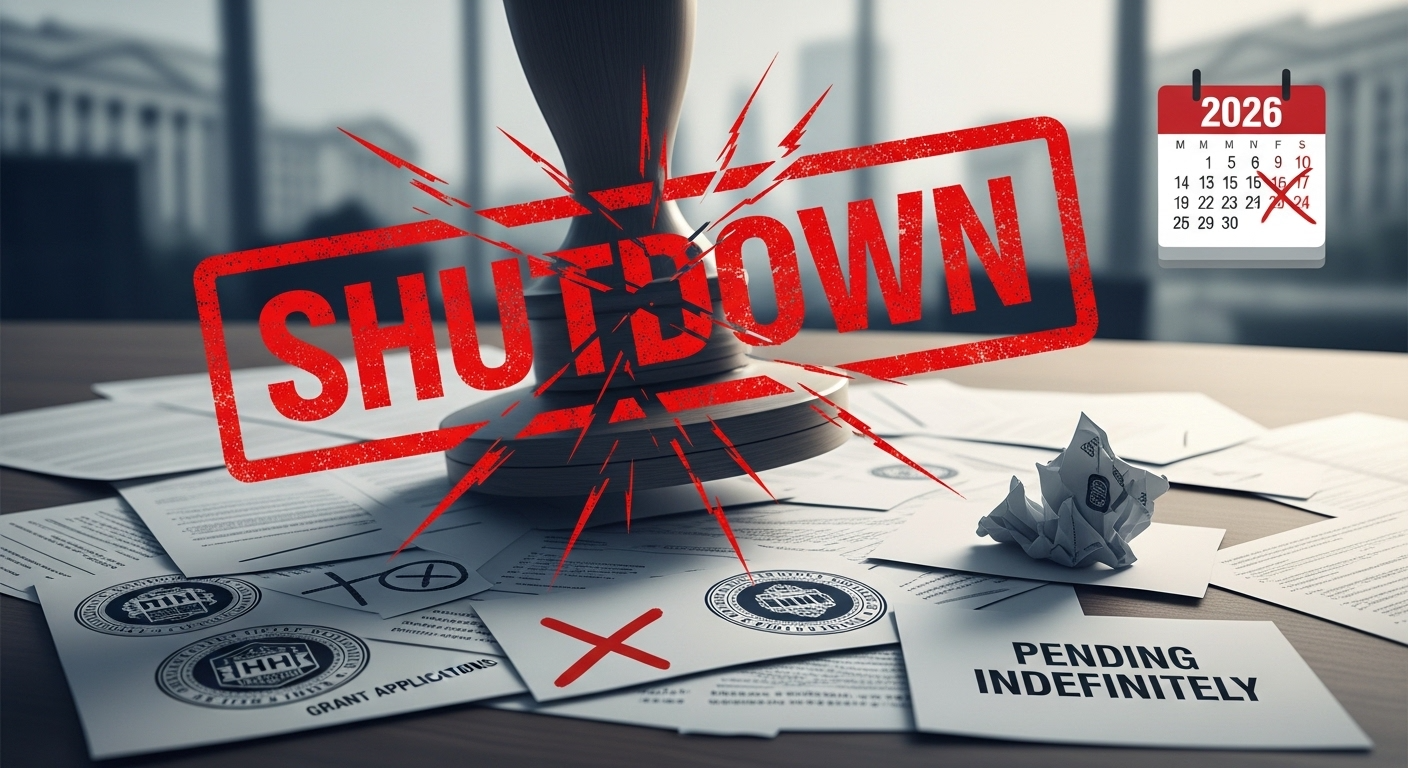
The 2026 partial government shutdown has significant implications for federal grant applicants, including nonprofits, small businesses, startups, students, and local governments. Key grant programs may experience delayed application reviews, suspended funding disbursements, or temporary freezes on new award announcements. This guide provides clear, up-to-date information for applicants navigating these disruptions.
Understanding the 2026 Partial Shutdown
The partial shutdown, beginning January 2026, occurs when Congress fails to pass appropriations bills for all federal agencies. While some departments continue essential operations, many grant-related offices face reduced staffing or temporary closure, affecting:
- Application processing
- Grant review timelines
- Funding availability and disbursement schedules
Key affected agencies include:
| Agency / Department | Status During Shutdown | Notes |
| Department of Education (ED) | Limited operations | Pell Grants continue; discretionary program reviews delayed |
| Department of Health & Human Services (HHS) | Essential staff only | NIH grant applications paused, some deadlines extended |
| Small Business Administration (SBA) | Limited | Loan and grant processing delayed |
| National Science Foundation (NSF) | Paused | Research grant reviews temporarily suspended |
Note: Essential services continue under federal law; however, new discretionary grant announcements are often postponed.
Impact on Grant Applicants
Application Timelines
- Deadlines may be extended if the shutdown affects grant review offices. Check official Grants.gov notifications.
- Applicants submitting during the shutdown may see delays in confirmation emails or processing status.
Funding Availability
- Grants already awarded may continue disbursements for ongoing projects.
- New awards are typically on hold until appropriations resume.
Communication with Agencies
- Agency websites may provide limited email support.
- Phone inquiries are often directed to recorded notices or automated systems.
Applying for Federal Grants
Who is Eligible?
Eligibility varies by program but generally includes:
| Applicant Type | Examples |
| Nonprofits | 501(c)(3) organizations, community foundations |
| Small Businesses | SBA 8(a) certified, startups |
| Local Governments | Cities, municipalities, tribal governments |
| Individuals / Students | Scholarships, research grants |
How Much Funding is Available?
Funding depends on the specific program and fiscal year appropriations. Examples for 2026–2026:
| Program | FY2026 Funding | Notes |
| Pell Grants | $30.5B | Available to eligible students regardless of shutdown |
| NIH R01 Research Grants | Varies | New awards paused during shutdown |
| Community Development Block Grants (HUD) | $3.7B | Applications reviewed post-shutdown |
Required Documents
- Standard forms: SF-424, SF-LLL
- Project narrative and budget justification
- Tax-exempt or registration documentation (if nonprofit)
- Letters of support or collaboration agreements
Common Reasons for Rejection
- Missing or incomplete documents
- Ineligible applicant type
- Funding ceiling exceeded
- Late submissions (watch deadlines, especially around shutdowns)
Step-by-Step Guide During a Shutdown
- Check Agency Status: Confirm whether your funding agency is operating under limited capacity.
- Monitor Deadlines: Use Grants.gov alerts and official agency pages for updates.
- Submit Applications Early: Even if processing is delayed, submission timestamps are honored.
- Document Everything: Keep screenshots or confirmation emails for proof.
- Plan for Contingencies: Be prepared for potential funding gaps or delayed start dates.
Latest Announcements & Updates (2026–2026)
- NIH: R01 and R21 grants paused until Congress resumes funding.
- ED: Pell Grants disbursements unaffected; discretionary grants delayed.
- SBA: COVID-19 legacy programs extended, but new awards on hold.
Update Frequency: Agencies will issue new guidance as soon as funding resumes. Applicants must check weekly during the shutdown.
FAQs
Who is eligible for federal grants during a shutdown?
Eligibility is unchanged; nonprofits, small businesses, local governments, and students may still apply, though processing may be delayed.
How much funding is available?
Funding depends on the program. Ongoing grants typically continue, but new awards may be paused.
How do I apply during the shutdown?
Submit applications via Grants.gov. Note that review may be delayed; retain submission confirmation.
What documents are required?
Common documents include SF-424, budget justification, project narratives, tax documentation, and letters of support.
Why are applications rejected?
Missing documents, ineligible applicant type, exceeded funding limits, or late submissions.
Sources:







Top States Providing Financial Relief and Emergency Cash Assistance in 2026

Section 811 Housing Assistance 2026: What Disabled Adults Need to Know

Top U.S. Government AI Grants You Should Watch in 2026

VA Closing Cost Assistance for Veterans in 2026: What’s Really Changed This Year?

Fast Food Places That Accept EBT Cards (Full List)

25 Small Business Grants You Can Apply for in 2026

Affordable Housing and Rental Assistance Programs for Texas Single Moms

Most Commonly Approved Government Grant Applications
-
 Food & EBT / SNAP Benefits6 months ago
Fast Food Places That Accept EBT Cards (Full List)
-
 Small Business Grants6 months ago
25 Small Business Grants You Can Apply for in 2026
-
 Single Mothers Benefits4 months ago
Affordable Housing and Rental Assistance Programs for Texas Single Moms
-
 Government Grants6 months ago
Most Commonly Approved Government Grant Applications
-

 Veterans Assistance4 months ago
Top Veterans Financial Assistance Programs 2026
-

 Single Mothers Benefits5 months ago
Trump Tax Plan Stay-at-Home Mom Tax Credit Explained: What the Law Actually Says (2026)
-

 Utility & Bills Help6 months ago
LIHEAP 2026 Application Guide for Energy Assistance
-

 Utility & Bills Help5 months ago
How to Get Free Help Paying Your Electric Bill
-

 Food & EBT / SNAP Benefits5 months ago
5 Key SNAP Policy Changes Coming in 2026 You Should Know
-

 Government Grants6 months ago
How to Apply for Government Grants Online