
Education & Student Grants
Student Debt Relief Programs Still Active in 2025
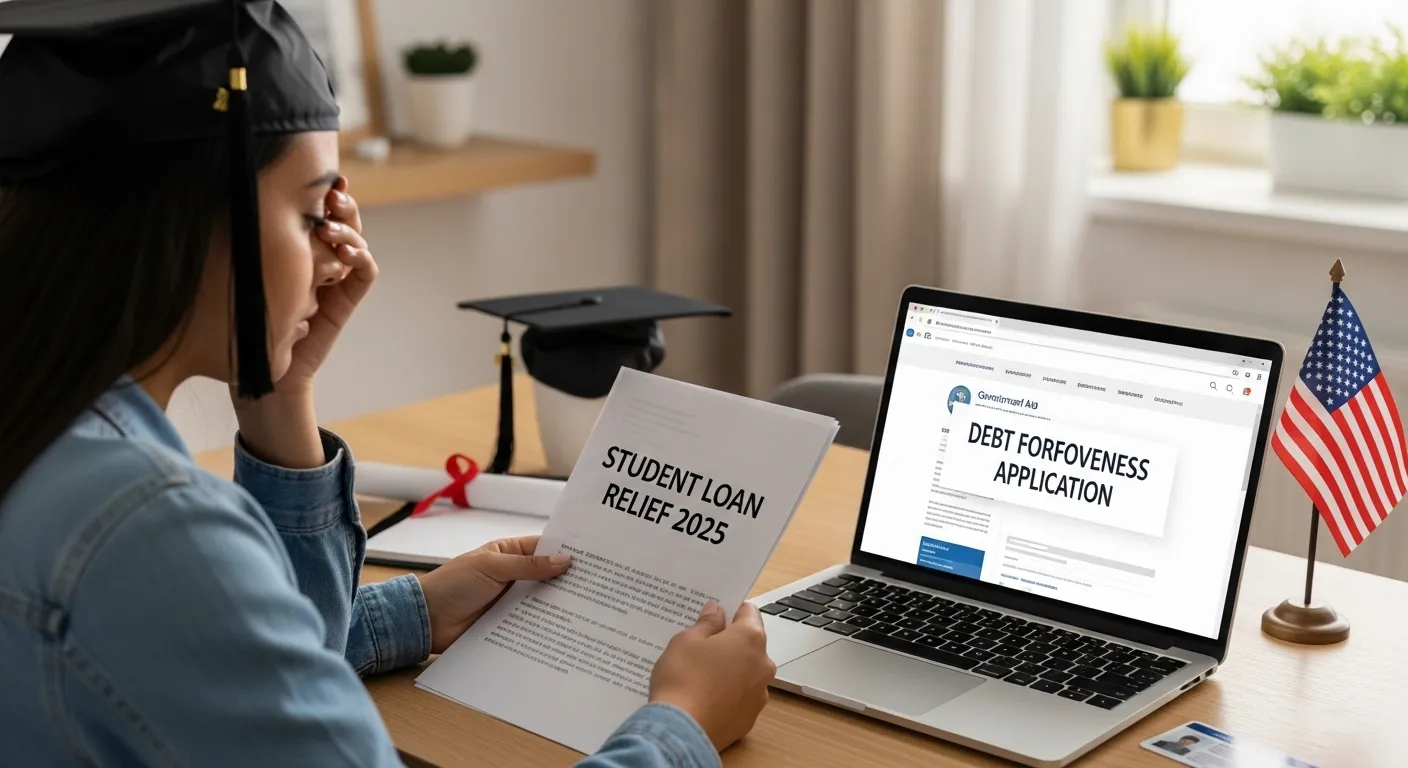
If you are one of the millions of borrowers navigating federal student loans, here is encouraging news: despite shifts and challenges, several major U.S. federal student debt relief programs are still operational in 2026, offering pathways to meaningful relief for eligible borrowers. The critical question now is which programs apply to you, and how to engage with them.
Why this matters now
Borrowers face a shifting landscape: interest has restarted, defaults are resurging, and policy changes are underway. U.S. Department of Education (ED) resumed collections in May 2026. U.S. Department of Education Many programs aimed at curbing debt remain, but eligibility rules and regulatory frameworks are evolving. This is your moment to explore active relief options and act before further changes.
What relief programs are still live — and what you should know

Here are the key federal programs available in 2026. We highlight eligibility, recent updates, and what you should check.
1. Public Service Loan Forgiveness (PSLF)
- This program allows borrowers who work full-time in qualifying public service jobs (government or eligible non-profits) to have remaining federal Direct Loans forgiven after 120 qualifying monthly payments under a qualifying repayment plan. Federal Student Aid+2National Council of Nonprofits+2
- Key note: In March 2026, a presidential order directed changes to PSLF eligibility definitions. The White House
- What you should do: confirm your employer qualifies as a non-profit or public-sector employer, ensure your loans are Direct Loans, and that you’re on a qualifying repayment plan (often Income-Driven Repayment, IDR). Review your payment count tracking. Federal Student Aid
- Why it sparks curiosity: For borrowers in public service roles, this is a realistic channel to wipe out large remaining debt — a compelling opportunity if you’ve been unaware.
2. Income-Driven Repayment (IDR) forgiveness pathways
- Programs such as Income‑Based Repayment (IBR), Pay As You Earn (PAYE) and the SAVE Plan adjust monthly payments based on income and family size, and forgive remaining balance after 20–25 years (under current law). NerdWallet+1
- Update: Some legal challenges are underway. For example: interest will resume in some cases starting August 1, 2026. U.S. Department of Education+1
- What you should do: If you’re on an IDR plan, check your repayment count, verify your plan qualifies for forgiveness, and monitor upcoming regulatory changes.
- Why it matters: Even if you don’t qualify for PSLF, this may still offer a long-term relief path — especially for moderate income earners or those with longstanding debt.
3. Employer-Assisted Student Loan Repayment
- Employers may contribute up to $5,250 annually in tax-free assistance toward employees’ student loans through 2026. IRS
- What you should do: Ask your employer whether they offer this benefit (sometimes part of tuition-assistance or education-benefit programs) and how to enroll.
- Why it interests many: It’s a relatively under-used perk that doesn’t require 10 years of payments or special employment roles — potentially an immediate relief option.
4. State and specialized profession-based forgiveness programs
- Beyond federal programs, states and professional sectors (teachers, nurses, health-care providers) offer forgiveness/repayment assistance. The Century Foundation+1
- What you should do: Check your state’s education/loan-assistance website; look for programs tailored to your profession (e.g., rural physicians, social workers) and see how federal relief plus state relief can combine.
- Why it engages: For borrowers in high-need sectors or underserved areas, this may offer large relief and career-aligned incentives.
Key changes and caveats for 2026
- Collections: The Department of Education restarted student loan collections for defaulted borrowers on May 5, 2026. U.S. Department of Education+1 That means there is urgency to act.
- Program revisions and legal uncertainties: Some programs, such as SAVE and parts of IDR, face legal tests and regulatory revision. U.S. Department of Education+1
- Eligibility rules evolve: For PSLF, the definition of “public service” and “qualifying employer” is under revision. The White House+1
- What is not included: Programs that have been fully abandoned or invalidated by courts are excluded from this list. We’ve focused only on relief mechanisms that remain officially active in 2026.
How you can act now: step-by-step

- Gather loan information – your loan type (Direct/FFEL), outstanding balance, and history of payments.
- Check your employment type and employer – if you work for a qualifying employer (for PSLF), verify status.
- Verify repayment plan – if you’re on an IDR plan, ensure you’re enrolled in a qualifying plan and tracking payment count.
- Explore employer assistance – speak with your HR or benefits administrator about student-loan repayment benefits.
- State and profession programs – check your state’s programs and whether your career qualifies for sector-specific relief.
- Stay updated – because regulatory changes are pending, keep an eye on official sources (StudentAid.gov, ED.gov) for updates.
- Take action early – with collections resuming, delaying may cost you interest, penalties or default status.
Why this is more than just numbers
For many borrowers, student debt is more than a balance—it’s a barrier to buying a home, starting a business, building savings or even changing careers. The relief programs outlined above are not just financial tools—they are life-changing opportunities. If you’ve been postponing action, 2026 is the window to explore what you qualify for now.
Picture this: after years of working in public service or an underserved community, you could be eligible to have your lingering loan balance forgiven under PSLF. Or, if you’re working in a field like nursing or teaching and live in a state unlocking profession-based relief, you could leverage multiple programs together. That is the kind of opportunity that creates hope, not just obligation.
Final word
If you’re a borrower with federal student loans, 2026 is not the year to ignore relief. The opportunities still exist—but they require awareness and timely action. Whether through PSLF, IDR forgiveness, employer-assisted repayment, or state-based relief, help is out there. Use this moment to clarify your eligibility, start the paperwork, and align your repayment strategy with your future goals.
By researching your options today, you can shift from the stress of debt repayment toward the possibility of true relief. Take the first step—check your status, verify your employer and plan, and engage with the programs that could change your financial life.
Government Resources & Useful Links

Final Call for LIHEAP 2026: Many States Ending Applications This April

How Startups Can Get SBIR/STTR Funding in 2026

What Single Moms Need to Know About 2026 State Child Tax Credits

Major 2026 SNAP Changes: What CalFresh Recipients Need to Know

25 Small Business Grants You Can Apply for in 2025

Top Veterans Financial Assistance Programs 2025

Fast Food Places That Accept EBT Cards (Full List)

How to Get Free Help Paying Your Electric Bill
-
 Small Business Grants12 months ago
25 Small Business Grants You Can Apply for in 2025
-
 Veterans Assistance12 months ago
Top Veterans Financial Assistance Programs 2025
-
 Food & EBT / SNAP Benefits12 months ago
Fast Food Places That Accept EBT Cards (Full List)
-
 Utility & Bills Help12 months ago
How to Get Free Help Paying Your Electric Bill
-

 Single Mothers Benefits9 months ago
Trump Tax Plan Stay-at-Home Mom Tax Credit Explained: What the Law Actually Says (2026)
-

 Utility & Bills Help12 months ago
LIHEAP 2025 Application Guide for Energy Assistance
-
 Government Grants11 months ago
Hidden Government Aid Programs Most People Miss
-

 Government Grants12 months ago
How to Apply for Government Grants Online
-

 Housing Assistance12 months ago
Apply for Section 8 Housing Vouchers (Updated 2025)
-

 Small Business Grants9 months ago
Breva Thrive Grant 2026: How to Secure $5,000 to Grow Your Project