
Disability Benefits
Top 10 Conditions That Qualify For Disability Benefits
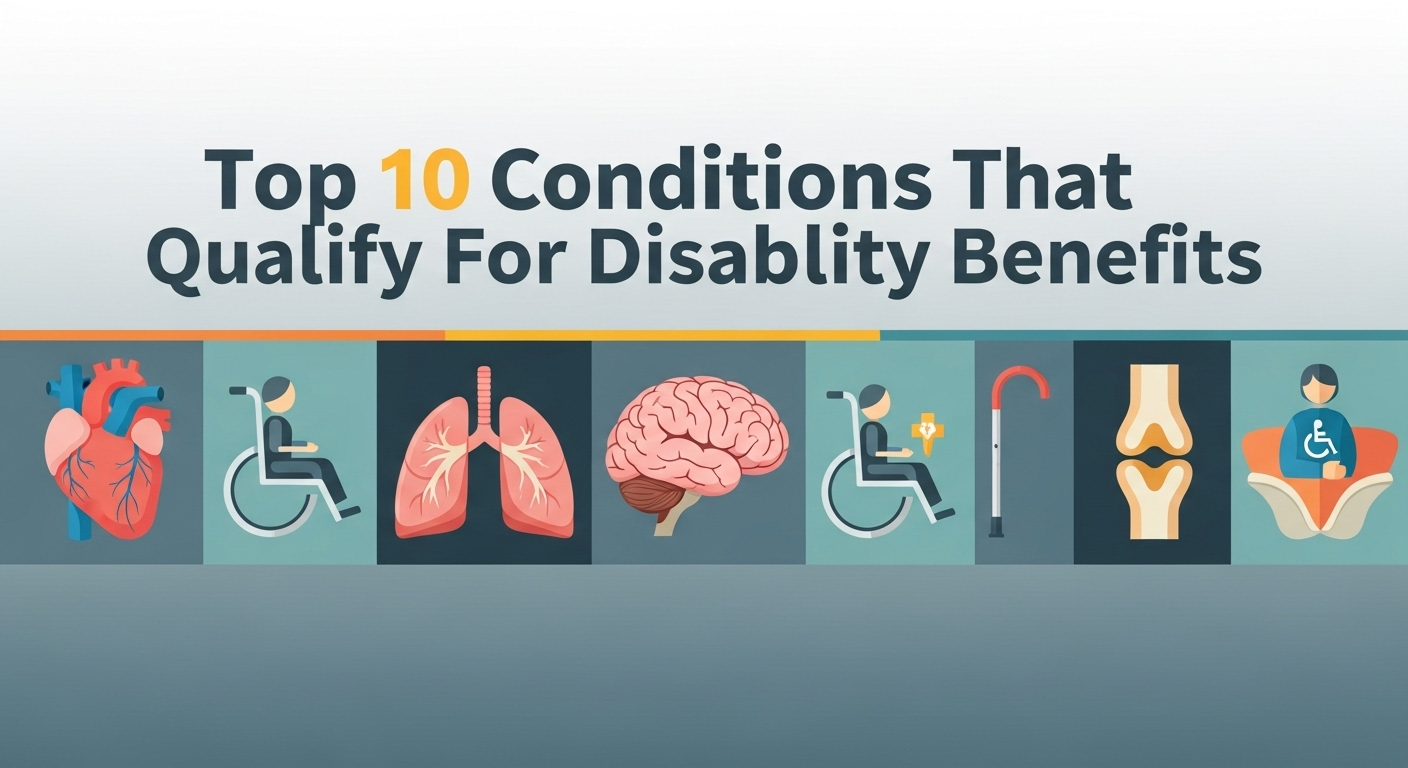
Every year, millions of Americans face challenges that prevent them from maintaining consistent employment due to health conditions. Recognizing this, the Social Security Administration (SSA) and other federal programs provide disability benefits to individuals struggling with debilitating conditions. If you or a loved one are unable to work due to a serious health issue, knowing which conditions qualify can make a significant difference.
Disability benefits are not only financial lifelines but also gateways to healthcare access, vocational training, and essential support. Here is a detailed look at the top 10 conditions recognized by the government that qualify for disability benefits in 2026, with insights to help guide your application.
Understanding Disability Benefits
Disability benefits are designed to support those who cannot perform substantial gainful activity due to medical conditions. In the U.S., this is mainly administered through:
- Social Security Disability Insurance (SSDI)
- Supplemental Security Income (SSI)
- State-specific programs
Eligibility requires meeting strict medical criteria verified by licensed healthcare providers. The process ensures resources reach those most in need.
Top 10 Conditions That Qualify
1. Musculoskeletal Disorders
Conditions affecting bones, joints, and muscles, such as severe arthritis, spinal disorders, or chronic back pain, can limit mobility and job performance. SSA guidelines consider range of motion, pain levels, and surgical interventions when determining eligibility.
2. Cardiovascular Diseases
Heart attacks, congestive heart failure, and other severe cardiac conditions often qualify for benefits if they result in physical limitations or hospitalization frequency. Continuous medical documentation strengthens eligibility claims.
3. Respiratory Conditions
Chronic obstructive pulmonary disease (COPD), asthma, and pulmonary hypertension are recognized if they impair daily functioning. Regular pulmonary function tests and treatment history support claims.
4. Neurological Disorders
Severe epilepsy, Parkinson’s disease, multiple sclerosis, and stroke survivors often qualify. SSA considers seizure frequency, motor impairments, and cognitive limitations when evaluating claims.
5. Mental Health Conditions
Disorders like major depression, PTSD, bipolar disorder, and schizophrenia are eligible if they significantly interfere with employment. Documentation from psychiatrists and licensed therapists is critical.
6. Diabetes and Related Complications
While diabetes alone might not qualify, serious complications such as neuropathy, vision loss, or kidney damage do. Regular medical assessments and complication reports help prove eligibility.
7. Cancer and Life-Threatening Illnesses
Most forms of cancer qualify if the condition or treatment limits the ability to work. Benefits often continue through remission phases if lingering effects persist.
8. Visual and Hearing Impairments
Severe vision loss, blindness, or hearing impairments that cannot be corrected with devices qualify. SSA considers acuity, functional limitations, and ability to communicate or perform tasks.
9. Chronic Kidney Disease
End-stage renal disease (ESRD) or advanced kidney disease often qualifies due to treatment needs like dialysis and inability to maintain employment.
10. Autoimmune Disorders
Conditions like lupus, rheumatoid arthritis, and Crohn’s disease qualify if symptoms like fatigue, pain, or immune suppression severely limit work capacity.
How to Apply for Disability Benefits
- Gather Medical Documentation: Ensure all records from doctors, hospitals, and labs are current.
- Complete SSA Forms: Use SSDI or SSI applications, either online or at local offices.
- Detail Functional Limitations: Include specifics about daily life impacts, not just diagnoses.
- Submit Supporting Evidence: Employment history, prescriptions, and therapy records increase approval chances.
Tips to Strengthen Your Application

- Maintain detailed medical records with updated tests and reports.
- Consistent treatment history is critical.
- Include personal statements about how your condition limits everyday activities.
- Work with disability advocates or social workers when possible.
Common Mistakes to Avoid
- Incomplete documentation or missing medical records.
- Relying solely on diagnosis without detailing functional impact.
- Ignoring deadlines for applications or appeals.
- Overlooking specialized evaluations like occupational therapy or psychological testing.
Frequently Asked Questions
What types of conditions usually qualify for disability benefits?
Musculoskeletal disorders, cardiovascular diseases, respiratory conditions, neurological disorders, mental health issues, diabetes complications, cancer, visual and hearing impairments, chronic kidney disease, and autoimmune disorders often qualify.
How long does it take to receive disability benefits?
Processing times vary, but on average, SSA applications can take three to six months. Appeals may take longer.
Can mental health conditions qualify for benefits?
Yes, conditions like depression, PTSD, bipolar disorder, and schizophrenia can qualify if they severely limit work capabilities.
Do I need continuous treatment to qualify?
Yes, consistent medical documentation and treatment history strengthen applications and prove the severity of your condition.
Where can I find official information on disability benefits?
Official resources include the Social Security Administration (SSA), Benefits.gov, and the Department of Veterans Affairs for eligible veterans.
Sources:
- Social Security Administration (SSA): www.ssa.gov/disability
- Benefits.gov Disability Resources: www.benefits.gov/categories/Disability
- National Institute of Neurological Disorders and Stroke: www.ninds.nih.gov
- Centers for Disease Control and Prevention (CDC) Disability Information: www.cdc.gov/ncbddd/disabilityandhealth
- U.S. Department of Veterans Affairs (VA) Disability Benefits: www.va.gov/disability







Small Business Grants Oklahoma 2026: $81M Up for Grabs

Final Call for LIHEAP 2026: Many States Ending Applications This April

How Startups Can Get SBIR/STTR Funding in 2026

What Single Moms Need to Know About 2026 State Child Tax Credits

25 Small Business Grants You Can Apply for in 2025

Top Veterans Financial Assistance Programs 2025

How to Get Free Help Paying Your Electric Bill

LIHEAP 2025 Application Guide for Energy Assistance
-
 Small Business Grants5 months ago
25 Small Business Grants You Can Apply for in 2025
-
 Veterans Assistance5 months ago
Top Veterans Financial Assistance Programs 2025
-
 Utility & Bills Help5 months ago
How to Get Free Help Paying Your Electric Bill
-
 Utility & Bills Help5 months ago
LIHEAP 2025 Application Guide for Energy Assistance
-

 Small Business Grants5 months ago
Women-Owned Business Grants & Funding Sources
-

 Housing Assistance5 months ago
Apply for Section 8 Housing Vouchers (Updated 2025)
-

 Government Grants5 months ago
How to Apply for Government Grants Online
-

 Government Grants5 months ago
25 Federal Grants That Give Free Money in 2025
-

 Food & EBT / SNAP Benefits5 months ago
Fast Food Places That Accept EBT Cards (Full List)
-

 Disability Benefits5 months ago
How Much Disability Pay Can You Get in 2025?