
Housing Assistance
How Minnesota’s Rental Assistance System Works in 2026
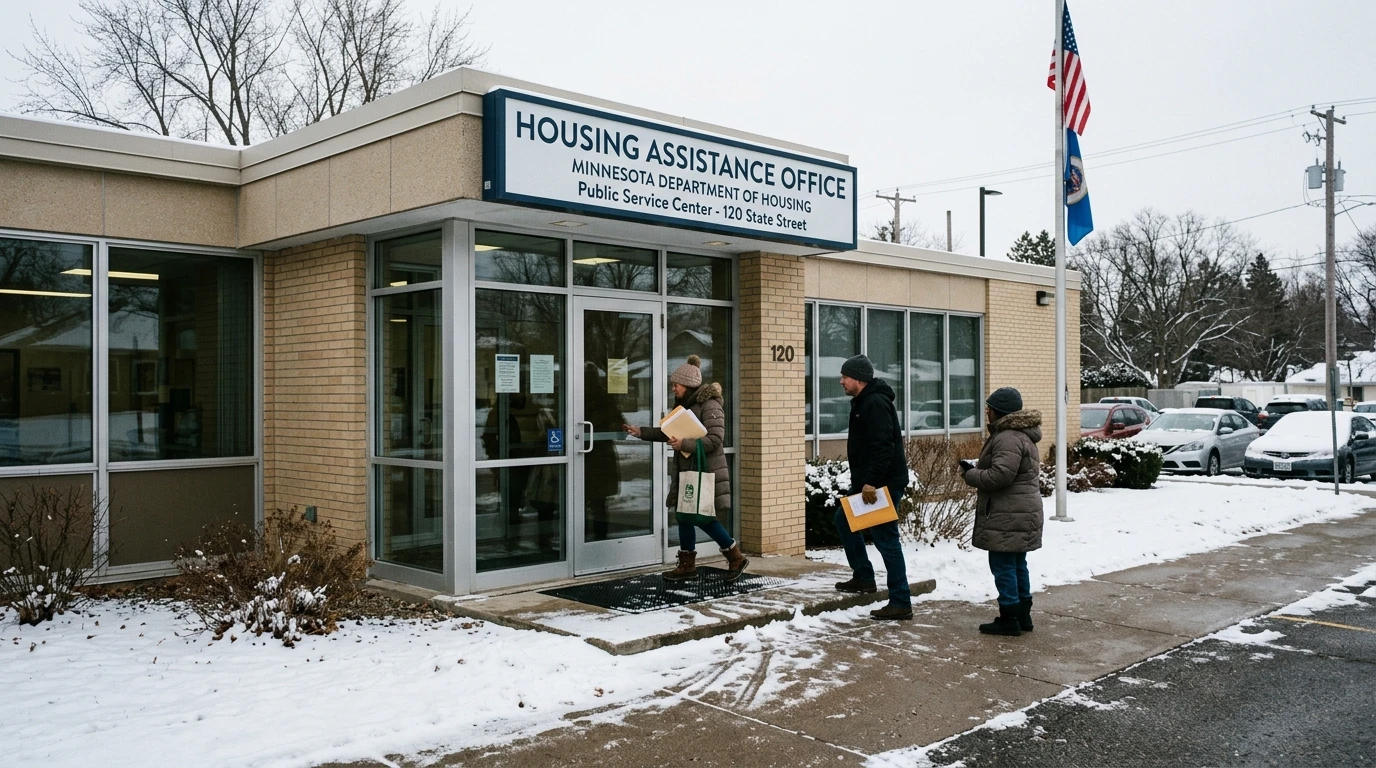
Minnesota’s rental assistance system in 2026 reflects a post-pandemic transition toward stabilized, locally administered housing support programs, combining federal funding streams with state-level initiatives. Managed primarily through agencies like the Minnesota Housing Finance Agency and coordinated with federal programs under the U.S. Department of Housing and Urban Development, the system is designed to support low- and moderate-income renters, prevent homelessness, and stabilize communities.
This guide explains how Minnesota’s rental assistance works in 2026, including eligibility, funding, application steps, and recent policy updates.
Understanding Minnesota’s Rental Assistance Framework
Minnesota’s system is not a single program, but a network of coordinated assistance options:
Core Programs in 2026
- Housing Choice Voucher Program (Section 8)
- Emergency Assistance (EA) & Emergency General Assistance (EGA)
- Family Homeless Prevention and Assistance Program (FHPAP)
- Bridges Rental Assistance Program
- Locally administered emergency rental grants via counties and nonprofits
These programs are funded through:
- Federal HUD allocations (FY 2026–2026)
- State housing appropriations approved by the Minnesota Legislature
- Local government and nonprofit partnerships
How Minnesota Rental Assistance Works in 2026
1. Federal Housing Vouchers (Section 8)
The Housing Choice Voucher Program remains the backbone of long-term rental assistance.
Key Features:
- Tenants pay ~30% of income toward rent
- Government pays the remaining portion directly to landlords
- Managed by local Public Housing Authorities (PHAs)
2026 Update (Time-Sensitive):
- Waiting lists remain closed or limited in many counties
- Preference systems prioritize:
- Homeless households
- Disabled individuals
- Extremely low-income families
2. Emergency Assistance Programs (EA & EGA)
These programs provide short-term financial relief for households facing eviction.
What they cover:
- Past-due rent
- Utility bills
- Security deposits
Administered by: County human services offices across Minnesota
2026 Policy Note (Time-Sensitive):
- Stricter verification of “housing crisis” conditions
- Digital application portals expanded statewide
3. Family Homeless Prevention and Assistance Program (FHPAP)
FHPAP focuses on preventing homelessness before it occurs.
Services include:
- Rental arrears assistance
- Case management
- Mediation with landlords
Administered through: Nonprofits funded by Minnesota Housing
4. Bridges Rental Assistance Program
Designed for individuals with serious mental illness, this program connects housing support with healthcare services.
Key Benefit:
- Rental subsidy paired with supportive services
Eligibility Criteria
Eligibility varies slightly by program, but most Minnesota rental assistance programs follow these principles:
General Requirements
- Must be a resident of Minnesota
- Household income below program thresholds
- Demonstrated housing need or risk of homelessness
- Legal residency or eligible immigration status
Income Limits (2026 Guidelines)
Based on Area Median Income (AMI):
- Extremely Low Income: ≤ 30% AMI
- Very Low Income: ≤ 50% AMI
- Low Income: ≤ 80% AMI
Income thresholds vary by county and household size.
Funding Availability in 2026
| Program | Funding Source | Typical Benefit |
| Section 8 | Federal (HUD) | Long-term rent subsidy |
| EA/EGA | State + County | One-time emergency payment |
| FHPAP | State Grants | Short-term rental support |
| Bridges | State + Health Programs | Subsidy + services |
2026 Insight:
- Federal funding stabilized after pandemic-era fluctuations
- State-level funding increased modestly to address rising rents
- Demand still exceeds supply in urban areas like Minneapolis and Saint Paul
Step-by-Step Application Process
Step 1: Identify the Right Program
Applicants must determine whether they need:
- Emergency help (EA/EGA)
- Long-term subsidy (Section 8)
- Preventive support (FHPAP)
Step 2: Apply Through Local Agencies
Applications are typically submitted via:
- County human services offices
- Local Public Housing Authorities
- Nonprofit partners
Step 3: Submit Required Documents
Common documentation includes:
- Proof of income (pay stubs, tax returns)
- Lease agreement
- Eviction notice (if applicable)
- Identification documents
Step 4: Eligibility Review
Authorities verify:
- Income level
- Household composition
- Housing crisis status
Step 5: Approval & Payment
- Payments may go directly to landlords
- Processing times vary:
- Emergency aid: 2–4 weeks
- Vouchers: months to years (due to waitlists)
Required Documents Checklist
| Document | Purpose |
| Government ID | Identity verification |
| Income proof | Eligibility assessment |
| Lease agreement | Housing verification |
| Utility bills | Expense validation |
| Eviction notice | Crisis qualification |
Common Reasons for Application Rejection
- Income exceeds program limits
- Incomplete documentation
- Lack of verified housing crisis
- Duplicate benefits from other programs
- Missed deadlines or incorrect application submission
Frequently Asked Questions
Who is eligible for rental assistance in Minnesota in 2026?
Eligibility generally includes low-income residents, households facing eviction, and individuals experiencing homelessness. Income must fall below Area Median Income thresholds, and applicants must demonstrate housing need.
How much rental assistance can I receive?
The amount varies:
- Section 8 covers the majority of rent beyond 30% of income
- Emergency Assistance provides one-time payments covering overdue rent or deposits
How do I apply for Minnesota rental assistance?
You can apply through:
- Local Public Housing Authorities
- County human services offices
- Approved nonprofit agencies
Online applications are now widely available in 2026.
What documents are required for the application?
Typical documents include:
- Proof of income
- Lease agreement
- Government-issued ID
- Eviction notice (if applicable)
Why was my rental assistance application denied?
Common reasons include:
- Income exceeding eligibility limits
- Missing or incorrect documents
- Lack of verified housing crisis
Sources





Top States Providing Financial Relief and Emergency Cash Assistance in 2026

Section 811 Housing Assistance 2026: What Disabled Adults Need to Know

Top U.S. Government AI Grants You Should Watch in 2026

VA Closing Cost Assistance for Veterans in 2026: What’s Really Changed This Year?

Fast Food Places That Accept EBT Cards (Full List)

25 Small Business Grants You Can Apply for in 2026

Affordable Housing and Rental Assistance Programs for Texas Single Moms

Most Commonly Approved Government Grant Applications
-
 Food & EBT / SNAP Benefits5 months ago
Fast Food Places That Accept EBT Cards (Full List)
-
 Small Business Grants5 months ago
25 Small Business Grants You Can Apply for in 2026
-
 Single Mothers Benefits3 months ago
Affordable Housing and Rental Assistance Programs for Texas Single Moms
-
 Government Grants5 months ago
Most Commonly Approved Government Grant Applications
-

 Veterans Assistance3 months ago
Top Veterans Financial Assistance Programs 2026
-

 Utility & Bills Help5 months ago
LIHEAP 2026 Application Guide for Energy Assistance
-

 Utility & Bills Help4 months ago
How to Get Free Help Paying Your Electric Bill
-

 Single Mothers Benefits4 months ago
Trump Tax Plan Stay-at-Home Mom Tax Credit Explained: What the Law Actually Says (2026)
-

 Food & EBT / SNAP Benefits4 months ago
5 Key SNAP Policy Changes Coming in 2026 You Should Know
-

 Government Grants5 months ago
How to Apply for Government Grants Online