
Government Grants
How to Secure Government Grants for Your Nonprofit Organization in 2026
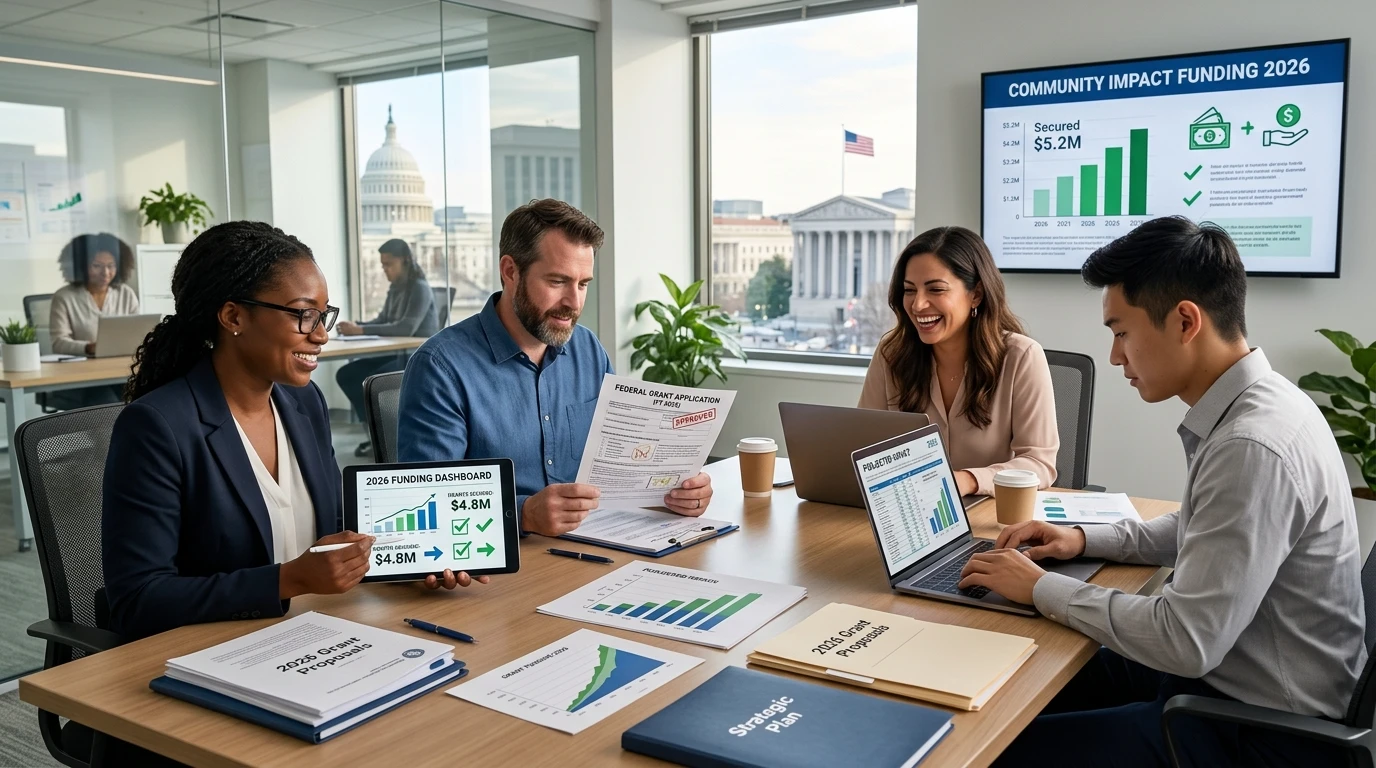
Securing government grants for nonprofits in 2026 has become more structured, competitive, and compliance-driven than ever before. With updated federal and state funding priorities focusing on climate resilience, digital inclusion, public health, and community development, applicants must align closely with official program goals and documentation standards. This guide explains verified processes, eligibility rules, and application strategies based on 2026–2026 government frameworks, helping nonprofits, NGOs, and local organizations navigate the grant ecosystem with clarity and confidence.
Understanding Government Grants in 2026
Government grants are non-repayable funds allocated by federal, state, or local authorities to support public-interest projects. Unlike loans, grants require strict compliance with regulatory frameworks and reporting standards.
Key Funding Categories (2026–2026)
- Social welfare and poverty alleviation
- Education and digital literacy programs
- Climate and environmental sustainability
- Healthcare and public health infrastructure
- Women, youth, and minority empowerment
Recent policy updates emphasize outcome-based funding, meaning grants are increasingly tied to measurable impact rather than only project proposals.
Latest Government Grant Programs (2026 Updates)
Time-Sensitive (Must Verify Annually)
- Fiscal Year 2026 grant cycles typically open between January and June 2026
- Deadlines vary by agency but often close within 60–120 days of announcement
- Funding allocations depend on annual budgets and legislative approvals
Examples of Active Grant Channels
- Federal grants portals (centralized systems)
- State-level development funds
- Municipal innovation and infrastructure grants
Always verify deadlines through official government portals before applying.
Eligibility Criteria for Nonprofit Grants
Core Eligibility Requirements
| Requirement | Description |
| Legal Status | Registered nonprofit or NGO with a valid certification |
| Compliance | Tax filings, audit reports, and regulatory compliance |
| Project Alignment | Must align with government funding priorities |
| Financial Transparency | Clear accounting and fund utilization plans |
| Operational History | Often requires 1–3 years of active operation |
Additional Criteria (Program-Specific)
- Geographic focus, such as rural or underserved areas
- Target beneficiaries, including youth, women, or marginalized groups
- Partnership requirements with local authorities or institutions
Step-by-Step: How to Apply for Government Grants
1. Identify Relevant Grant Programs
Search official portals and filter by sector, organization size, and geographic eligibility.
2. Review the Official Guidelines Carefully
Each grant includes program objectives, funding limits, eligible activities, and reporting requirements. Missing even a minor compliance detail can lead to rejection.
3. Prepare Required Documentation
| Document | Purpose |
| Registration Certificate | Proof of nonprofit status |
| Tax Exemption Documents | Legal compliance |
| Project Proposal | Detailed plan with objectives |
| Budget Plan | Transparent fund allocation |
| Past Performance Reports | Demonstrates credibility |
4. Write a Strong Grant Proposal
Focus on a clear problem statement, measurable outcomes, data-backed justification, and a sustainability plan.
5. Submit through the official portal
Most 2026 applications require digital submission, verified accounts, and document uploads in standardized formats.
6. Track Application Status
Monitor updates regularly and respond promptly to any clarification requests.
Funding Amounts and Grant Limits
Time-Sensitive
| Grant Type | Typical Funding Range |
| Small Community Grants | $5,000 – $50,000 |
| Mid-Level NGO Grants | $50,000 – $500,000 |
| Large Federal Grants | $500,000 – $5 million or more |
Funding caps vary yearly based on national budgets and policy priorities.
Common Reasons for Grant Rejection
Understanding rejection patterns can improve your success rate.
Top Causes
- Incomplete or incorrect documentation
- Misalignment with program objectives
- Unrealistic budget projections
- Weak impact measurement framework
- Late submission
Compliance Red Flags
- Lack of audit reports
- Unclear financial records
- Missing legal certifications
Best Practices for Securing Grants in 2026
- Align proposals with national development goals
- Use data-driven impact metrics
- Maintain updated compliance records
- Build partnerships with local authorities
- Track grant announcements regularly
FAQs
Who is eligible for government grants in 2026?
Nonprofits, NGOs, startups, educational institutions, and local government bodies that meet legal registration, compliance, and program-specific criteria are eligible.
How much funding can a nonprofit receive?
Funding typically ranges from $5,000 to over $5 million depending on the program type, scale, and government budget allocation.
How can I apply for a government grant?
You must identify a suitable program, review eligibility guidelines, prepare required documents, and submit an online application through official portals.
What documents are required for grant applications?
Required documents include a registration certificate, tax exemption proof, project proposal, budget plan, and financial or audit reports.
What are the most common reasons for rejection?
Applications are often rejected due to incomplete forms, non-compliance with guidelines, weak proposals, or missed deadlines.
Sources





Top States Providing Financial Relief and Emergency Cash Assistance in 2026

Section 811 Housing Assistance 2026: What Disabled Adults Need to Know

Top U.S. Government AI Grants You Should Watch in 2026

VA Closing Cost Assistance for Veterans in 2026: What’s Really Changed This Year?

Fast Food Places That Accept EBT Cards (Full List)

25 Small Business Grants You Can Apply for in 2026

Affordable Housing and Rental Assistance Programs for Texas Single Moms

Most Commonly Approved Government Grant Applications
-
 Food & EBT / SNAP Benefits5 months ago
Fast Food Places That Accept EBT Cards (Full List)
-
 Small Business Grants5 months ago
25 Small Business Grants You Can Apply for in 2026
-
 Single Mothers Benefits3 months ago
Affordable Housing and Rental Assistance Programs for Texas Single Moms
-
 Government Grants5 months ago
Most Commonly Approved Government Grant Applications
-

 Veterans Assistance3 months ago
Top Veterans Financial Assistance Programs 2026
-

 Utility & Bills Help5 months ago
LIHEAP 2026 Application Guide for Energy Assistance
-

 Utility & Bills Help4 months ago
How to Get Free Help Paying Your Electric Bill
-

 Single Mothers Benefits4 months ago
Trump Tax Plan Stay-at-Home Mom Tax Credit Explained: What the Law Actually Says (2026)
-

 Food & EBT / SNAP Benefits3 months ago
5 Key SNAP Policy Changes Coming in 2026 You Should Know
-

 Government Grants5 months ago
How to Apply for Government Grants Online