
Utility & Bills Help
Trump Plans to Scrap Utility Bill Aid as Energy Costs Cross $1,000
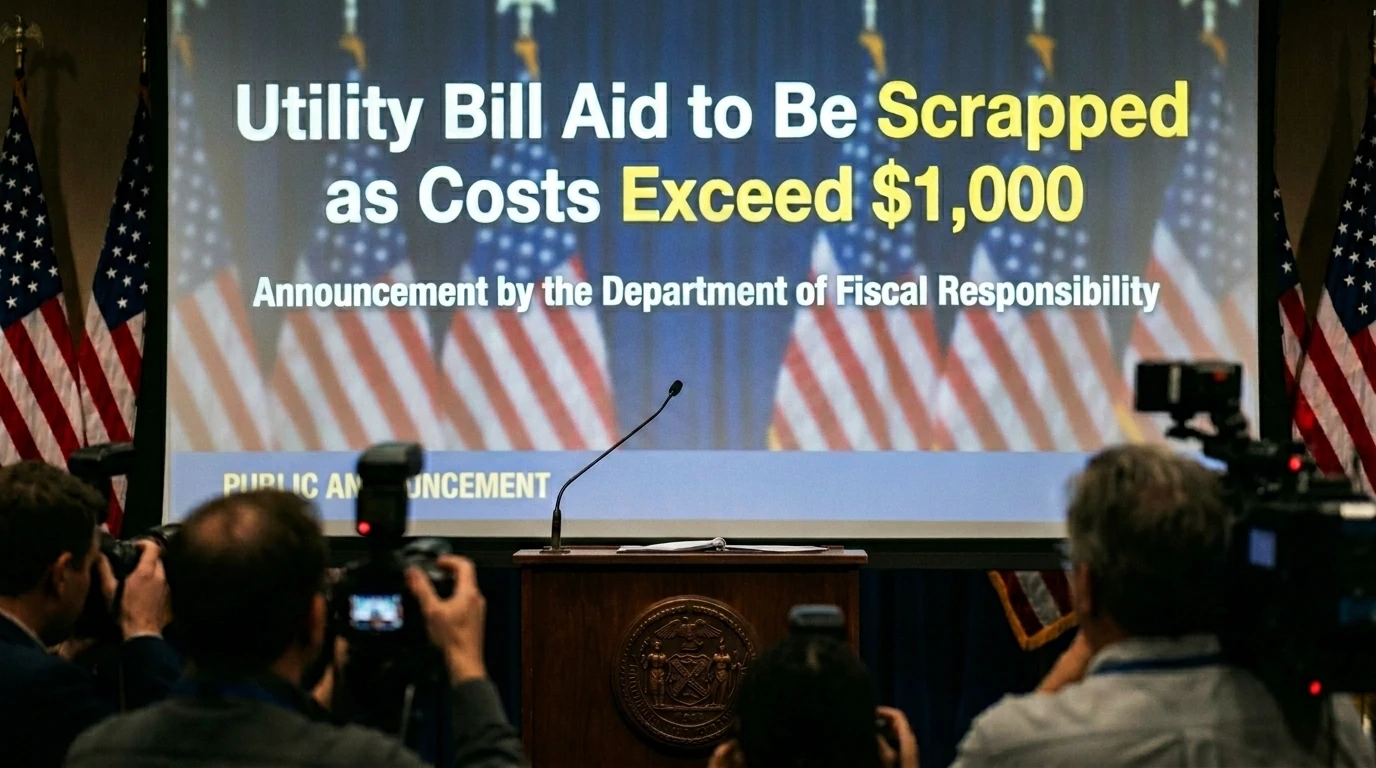
Rising household energy costs have crossed the $1,000 annual threshold in multiple U.S. regions, placing renewed pressure on low- and middle-income households. In a significant policy shift, Donald Trump has proposed scrapping federal utility bill assistance programs, triggering concern among applicants, NGOs, and local governments that rely on these subsidies.
This development directly impacts programs like the Low Income Home Energy Assistance Program (LIHEAP), which has historically supported millions of Americans. This article breaks down the latest verified updates (2026–2026), eligibility implications, funding risks, and alternative support mechanisms.
What Is the Utility Bill Aid Program Being Targeted?
The primary program under scrutiny is:
- Low Income Home Energy Assistance Program
- Administered by: U.S. Department of Health and Human Services
- Purpose: Help low-income households pay for:
- Heating and cooling bills
- Energy crisis assistance
- Weatherization services
Key Features (Evergreen)
- Federally funded but state-administered
- Targets vulnerable groups:
- Seniors
- Disabled individuals
- Families with children
- Covers both heating (winter) and cooling (summer) costs
Latest Policy Update (2026–2026)
Time-Sensitive Update
- Proposed federal budget revisions for FY 2026 include:
- Significant cuts or full elimination of LIHEAP funding
- Reallocation of energy subsidies toward domestic energy production incentives
- Policy direction aligns with broader energy deregulation and spending reduction goals
While final congressional approval is still pending, early drafts and policy statements confirm:
- Reduced discretionary spending on social welfare programs
- Shift toward state-led or privatized assistance models
Why Is Utility Bill Aid Being Scrapped?
The policy rationale includes:
1. Federal Budget Reduction
Efforts to reduce national expenditure focus on:
- Non-defence discretionary programs
- Energy subsidies categorized as “temporary relief measures”
2. Energy Policy Shift
The administration favors:
- Increased fossil fuel production
- Reduced federal intervention in consumer energy pricing
3. State-Level Responsibility
Proposal suggests:
- States should design their own localized assistance programs
- Federal role minimized to block grants or emergency funding only
Impact on Households and Stakeholders
Rising Energy Costs Context
- Average annual utility costs now exceed $1,000–$1,500 in several states
- Inflation and energy market volatility have intensified cost burdens
Who Will Be Most Affected?
- Low-income households
- Rural communities with high heating costs
- Elderly populations on fixed incomes
- Renters without energy-efficient housing
Eligibility Criteria (Current vs. Proposed Changes)
Current LIHEAP Eligibility
| Criteria | Details |
| Income Threshold | Typically ≤150% of federal poverty level |
| Citizenship | U.S. citizens or qualified non-citizens |
| Priority Groups | Elderly, disabled, families with children |
| Energy Burden | High utility cost relative to income |
Proposed Changes
- Federal eligibility guidelines may be discontinued
- States may:
- Tighten eligibility
- Reduce benefit amounts
- Introduce waiting lists
Funding Structure and Benefit Amounts
Current Funding (FY 2026 Reference)
- Total federal allocation: ~$6 billion
- Average household benefit:
- $300–$1,000 annually, depending on state
2026 Outlook
- Funding may drop drastically or be eliminated
- States could face:
- Budget shortfalls
- Increased demand with reduced capacity
How to Apply (Before Potential Changes Take Effect)
Step-by-Step Application Process
- Visit your state’s LIHEAP website
- Complete application form (online or offline)
- Submit required documents (see below)
- Attend verification interview (if required)
- Await approval and benefit disbursement
Required Documents
Applicants typically need:
- Proof of income (pay stubs, tax returns)
- Government-issued ID
- Utility bills (recent)
- Social Security numbers (household members)
- Proof of residence
Alternative Programs to Consider
If federal aid is reduced, applicants should explore:
Federal-Level Alternatives
- Weatherization Assistance Program
- Focus: Energy efficiency upgrades
- Emergency rental assistance (state-based)
State & Local Programs
- Public Utility Commission hardship funds
- Municipal energy relief grants
- Nonprofit assistance programs
Utility Company Support
- Payment plans
- Deferred billing options
- Energy-saving rebates
Common Reasons for Application Rejection
- Income exceeding eligibility limits
- Incomplete documentation
- Missed deadlines
- Duplicate applications
- Residency verification issues
Policy Context and Legal Considerations
The proposed changes are tied to:
- Federal budget reconciliation processes
- Congressional approval requirements
- State-level implementation authority
Important: Final implementation depends on:
- Congressional negotiations
- State policy responses
- Legal challenges (if any)
Frequently Asked Questions
Who is eligible for utility bill assistance in 2026?
Eligibility currently depends on income level, household size, and energy burden. However, proposed policy changes may shift eligibility decisions to individual states, potentially tightening access.
How much funding is available under LIHEAP?
As of FY 2026, funding is approximately $6 billion. For 2026, funding may be significantly reduced or eliminated depending on final federal budget approval.
How can I apply for energy assistance?
You can apply through your state’s LIHEAP office by submitting an application form along with income proof, ID, and utility bills. Early application is recommended due to uncertainty in funding.
What documents are required?
Applicants typically need:
- Income proof
- Utility bills
- Identification
- Social Security numbers
- Proof of residence
What are common reasons for rejection?
Applications are often rejected due to incomplete forms, exceeding income limits, or missing documentation. Delayed submission can also lead to denial.
Are there alternatives if LIHEAP is discontinued?
Yes. Alternatives include:
- Weatherization Assistance Program
- State emergency energy funds
- Utility company hardship programs
Sources


Top States Providing Financial Relief and Emergency Cash Assistance in 2026

Section 811 Housing Assistance 2026: What Disabled Adults Need to Know

Top U.S. Government AI Grants You Should Watch in 2026

VA Closing Cost Assistance for Veterans in 2026: What’s Really Changed This Year?

Fast Food Places That Accept EBT Cards (Full List)

25 Small Business Grants You Can Apply for in 2026

Affordable Housing and Rental Assistance Programs for Texas Single Moms

Most Commonly Approved Government Grant Applications
-
 Food & EBT / SNAP Benefits5 months ago
Fast Food Places That Accept EBT Cards (Full List)
-
 Small Business Grants5 months ago
25 Small Business Grants You Can Apply for in 2026
-
 Single Mothers Benefits3 months ago
Affordable Housing and Rental Assistance Programs for Texas Single Moms
-
 Government Grants5 months ago
Most Commonly Approved Government Grant Applications
-

 Veterans Assistance3 months ago
Top Veterans Financial Assistance Programs 2026
-

 Utility & Bills Help5 months ago
LIHEAP 2026 Application Guide for Energy Assistance
-

 Utility & Bills Help4 months ago
How to Get Free Help Paying Your Electric Bill
-

 Single Mothers Benefits4 months ago
Trump Tax Plan Stay-at-Home Mom Tax Credit Explained: What the Law Actually Says (2026)
-

 Food & EBT / SNAP Benefits4 months ago
5 Key SNAP Policy Changes Coming in 2026 You Should Know
-

 Government Grants5 months ago
How to Apply for Government Grants Online