
Education & Student Grants
Senate Committee Approves Flat Funding for Pell Grants in FY 2026 Budget
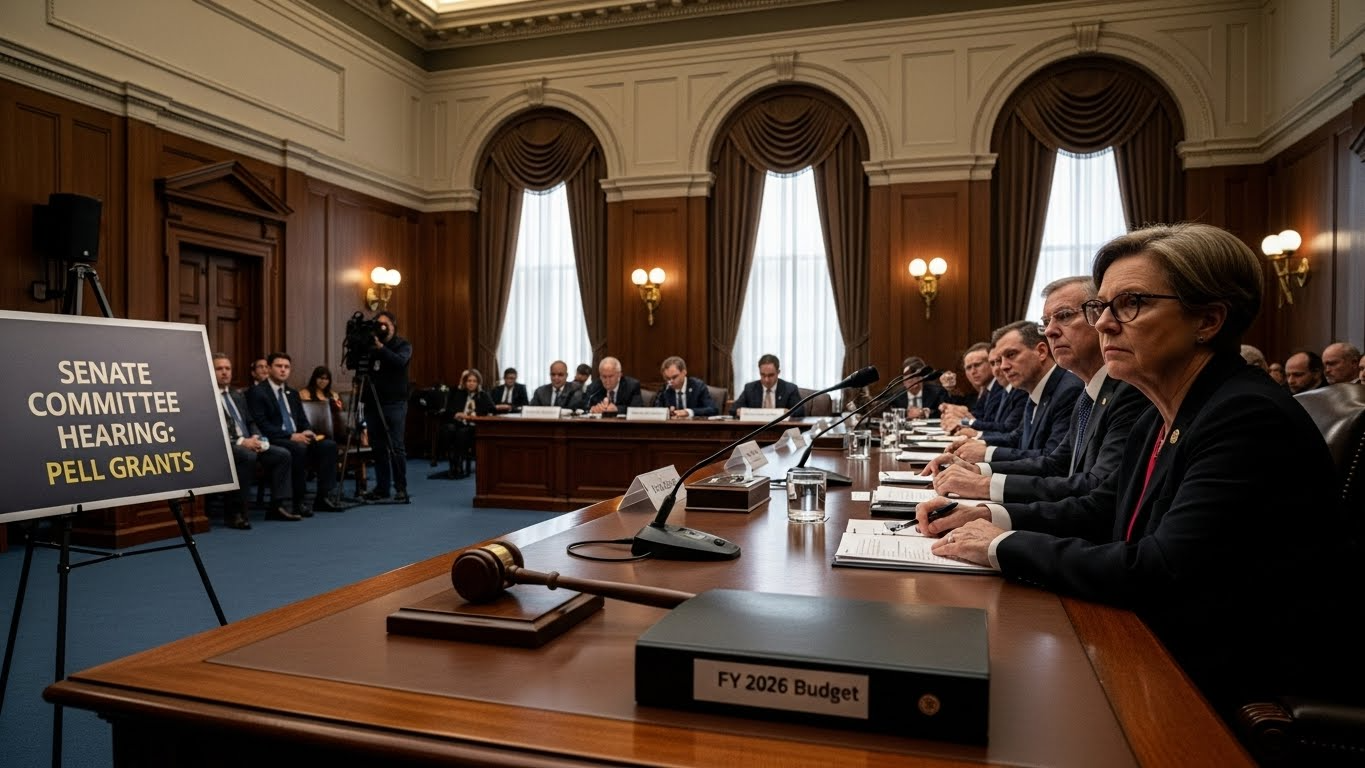
In a key budget decision for FY 2026, the Senate Appropriations Committee approves flat funding for Pell Grants, preserving essential student financial aid amidst broader federal budget debates. This development maintains the maximum Pell Grant award at $7,395 for the 2026–27 award year, supporting millions of low-income students with dependable federal aid. As detailed below, this budget action reflects bipartisan resistance to proposed cuts and underscores the ongoing federal commitment to need-based higher education support. (NASFAA)
What Is the Federal Pell Grant Program?
Pell Grants are federal need-based student financial aid awards designed to help low- and moderate-income undergraduate students afford postsecondary education. Unlike loans, Pell Grants do not require repayment and are administered by the U.S. Department of Education under the Higher Education Act. Eligibility is determined primarily through the Free Application for Federal Student Aid (FAFSA) and the student’s financial circumstances. (Congress.gov)
Pell Grants and the FY 2026 Budget
Federal Budget & Student Aid Landscape
- For FY 2026, federal budget discussions have centered on discretionary spending, including funding for student aid programs such as Pell Grants, Federal Supplemental Educational Opportunity Grants (FSEOG), and Federal Work-Study (FWS).
- The White House FY 2026 budget proposal included steep reductions to Pell Grants and related student aid, advocating to reduce the maximum award to roughly $5,710 — approximately 23% below current levels — and tighten eligibility criteria. (The U.S. Conference)
- In response, the Senate Appropriations Committee marked up the FY 2026 Labor-HHS-Education spending bill and rejected those cuts, instead maintaining current levels for key student programs. (naicu.edu)
Senate Appropriations Committee Action
- The committee approved flat funding for Pell Grants and other essential student support programs on a bipartisan basis, signaling resistance to proposed cuts from the executive budget absent Congressional approval.
- The maximum Pell Grant award remains $7,395 for the 2026–27 academic year, consistent with the 2026–26 award year. (NASFAA)
- Total discretionary funding for the Pell program is set at approximately $22.48 billion, with additional mandatory funding through recent reconciliation measures to address projected shortfalls. (NASFAA)
Purpose of Pell Grant Funding
The Pell Grant program exists to:
- Increase college access for under-resourced students who demonstrate financial need.
- Reduce student loan dependency by offering non-repayable aid.
- Promote socioeconomic mobility by enabling degree attainment for students from low-income families.
Maintaining funding stability helps preserve these objectives amid inflation and rising college costs. (NASFAA)
Who Benefits from Pell Grants?
Eligible Recipients
Federal Pell Grants primarily benefit:
- Undergraduate students who demonstrate significant financial need.
- Students enrolled in eligible postsecondary institutions, including public and private colleges, community colleges, and certain career schools.
- Individuals on approved study abroad or dual-enrollment programs (in some cases).
Note: Graduate students are not eligible for Pell Grants. (Congress.gov)
FY 2026 Funding Overview
| Program | FY 2026 Level | FY 2026 Senate Mark | Change |
| Pell Grant Maximum Award | $7,395 | $7,395 | Flat |
| Pell Grant Discretionary Funding | ~$22.48 B | ~$22.48 B | Flat |
| TRIO Programs | ~$1.19 B | ~$1.19 B | Flat |
| FWS (Work-Study) | ~$1.23 B | ~$1.23 B | Flat |
| FSEOG | ~$910 M | ~$910 M | Flat |
| Total Department of Education | ~$79 B | ~$79 B | Broad support |
How to Apply for a Pell Grant
Eligibility Steps
- Complete the FAFSA (Free Application for Federal Student Aid) annually:
- FAFSA assesses financial need (Expected Family Contribution/Student Aid Index).
- Lower SAI generally increases eligibility for Pell Grants.
- Provide required documentation such as tax filings, income records, and citizenship status.
- Meet enrollment criteria:
- Enrolled in an eligible degree or certificate program.
- Maintain satisfactory academic progress.
- Receive the Student Aid Report (SAR) and confirm your aid package with your college’s financial aid office.
Note: The FAFSA opens in December each year for the following award year.
FAQs
Who is eligible for Pell Grants?
Students with financial need, U.S. citizens or eligible non-citizens enrolled at participating institutions, and meeting academic progress standards. (Congress.gov)
How much Pell Grant funding is available in FY 2026?
The Senate mark provides flat funding, keeping the maximum award at $7,395. (NASFAA)
When should students apply?
Complete the FAFSA as soon as possible after it opens (typically December) for the 2026-27 award year.
Why does flat funding matter?
Flat funding maintains current award levels but does not increase them with inflation, effectively reducing purchasing power over time.
Policy & Budgetary Implications
- Flat funding for Pell Grants signifies Congressional prioritization of student aid stability against proposed executive cuts.
- However, continued budget shortfalls and future pressure on discretionary funding could affect long-term Pell sustainability. (crfb.org)
Sources:
- Federal Student Aid – Pell Grants
https://studentaid.gov/understand-aid/types/grants/pell - FAFSA – Free Application for Federal Student Aid
https://studentaid.gov/h/apply-for-aid/fafsa - U.S. Senate Committee on Appropriations – Labor, HHS, Education
https://www.appropriations.senate.gov/subcommittees/labor-health-and-human-services-education - National Association of Student Financial Aid Administrators (NASFAA)
https://www.nasfaa.org - Congressional Research Service – Federal Pell Grant Program Reports
https://crsreports.congress.gov








Top States Providing Financial Relief and Emergency Cash Assistance in 2026

Section 811 Housing Assistance 2026: What Disabled Adults Need to Know

Top U.S. Government AI Grants You Should Watch in 2026

VA Closing Cost Assistance for Veterans in 2026: What’s Really Changed This Year?

Fast Food Places That Accept EBT Cards (Full List)

25 Small Business Grants You Can Apply for in 2026

Affordable Housing and Rental Assistance Programs for Texas Single Moms

Most Commonly Approved Government Grant Applications
-
 Food & EBT / SNAP Benefits5 months ago
Fast Food Places That Accept EBT Cards (Full List)
-
 Small Business Grants5 months ago
25 Small Business Grants You Can Apply for in 2026
-
 Single Mothers Benefits3 months ago
Affordable Housing and Rental Assistance Programs for Texas Single Moms
-
 Government Grants5 months ago
Most Commonly Approved Government Grant Applications
-

 Veterans Assistance3 months ago
Top Veterans Financial Assistance Programs 2026
-

 Utility & Bills Help5 months ago
LIHEAP 2026 Application Guide for Energy Assistance
-

 Utility & Bills Help4 months ago
How to Get Free Help Paying Your Electric Bill
-

 Single Mothers Benefits4 months ago
Trump Tax Plan Stay-at-Home Mom Tax Credit Explained: What the Law Actually Says (2026)
-

 Food & EBT / SNAP Benefits4 months ago
5 Key SNAP Policy Changes Coming in 2026 You Should Know
-

 Government Grants5 months ago
How to Apply for Government Grants Online